

Trademark
& IP Blog
Practical insights on trademarks, licensing, enforcement, and brand strategy for growing businesses and creators.
Published by Randi Leath, Esq.
Caleb Williams Moves to Trademark “ICEMAN” — But the Field Is Getting Crowded
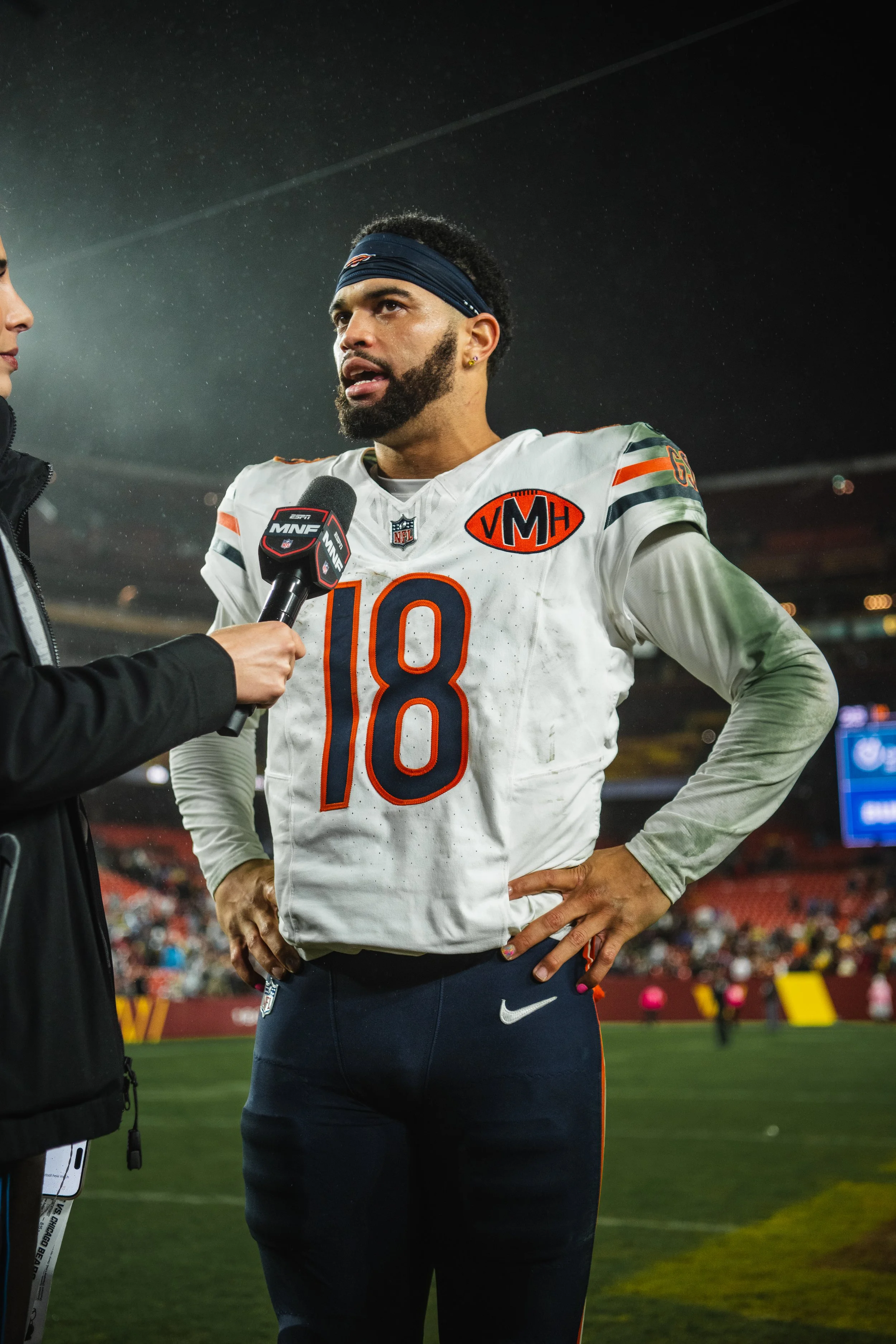
Caleb Williams is making a strong branding move with “ICEMAN,” but things may be heating up fast. With Chuck Liddell filing first and George Gervin claiming decades of use, the race for trademark rights is anything but cold.
Published: March 23, 2026
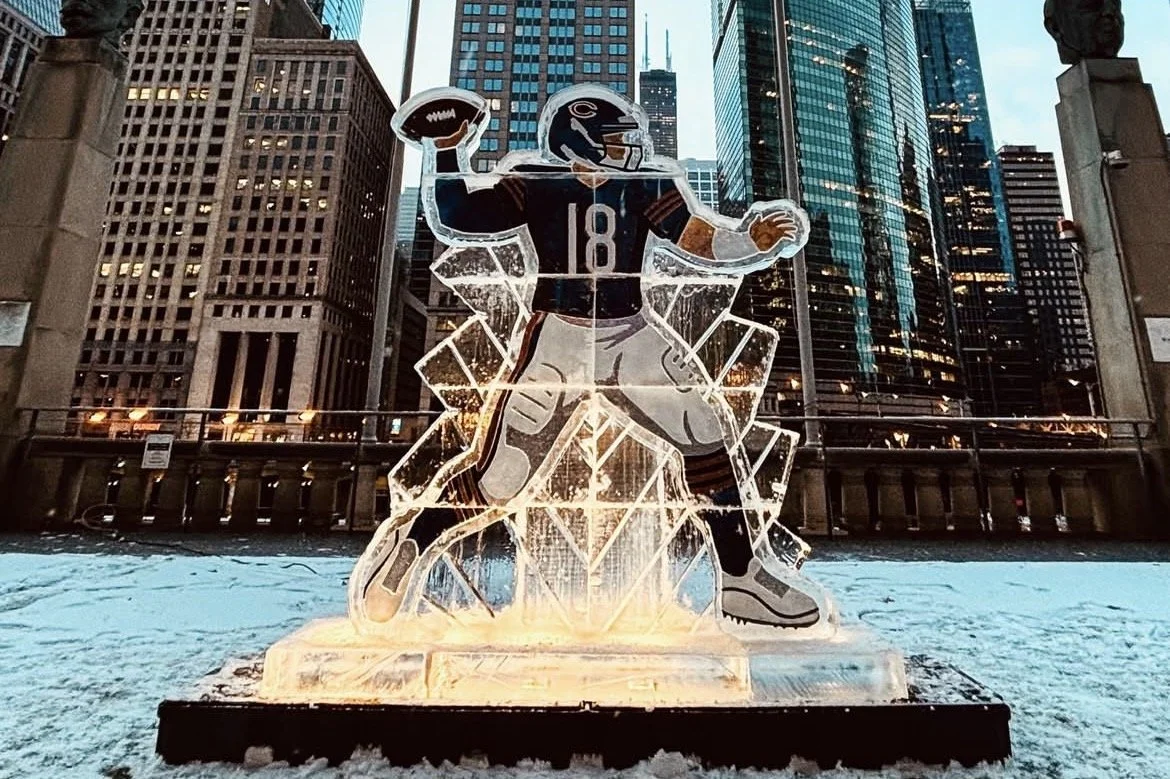
Chicago Bears quarterback Caleb Williams, the No. 1 overall pick in the 2024 NFL Draft and one of the league’s most marketable young players, is the latest athlete to take a proactive approach to brand protection. On March 16, 2026, Williams filed two trademark applications for the moniker ICEMAN, a nickname increasingly associated with his on-field composure and late-game performance.
The filings reflect a broader trend among professional athletes seeking to secure rights in nicknames tied to identity and commercial appeal.
While many are applauding the power play, competition around “ICEMAN” may be heating up.
Williams’ Filings: Broad, But Intent-to-Use
Williams’ applications (filed by Caleb Williams Holdings, Inc.) cover both a standard character mark and a stylized version of ICEMAN. Both are filed on an intent-to-use (ITU) basis, meaning Williams has not yet claimed use of the mark in commerce.
The scope of the filings is expansive and reflects a typical athlete-driven brand strategy.
The inclusion of Class 025 (apparel) and Class 041 (entertainment services) signals an intent to commercialize the nickname across both merchandise and media platforms.
ICEMAN – Caleb Williams Applications
| Class | Goods / Services |
|---|---|
|
009
|
Eyewear; sunglasses; downloadable posters; downloadable software featuring digital trading cards |
| 018 | Athletic bags; backpacks; tote bags; luggage |
| 025 | Water bottles; sports bottles; mugs |
| 021 | Apparel (shirts, sweatshirts, hats, jerseys, jackets, vests) |
| 028 | Sporting goods (footballs; balls for games) |
| 041 | Entertainment services (personal appearances; football-related programming; events; multimedia content) |
Prior Pending Applications: Chuck “The Iceman” Liddell
Williams, however, is not the first athlete to seek federal protection tied to the “ICEMAN” name. Chuck Liddell, a UFC Hall of Famer and one of the most recognizable figures in mixed martial arts during the sport’s early mainstream rise, has long been associated with the nickname “The Iceman.”
Liddell has two earlier-filed applications for CHUCK “THE ICEMAN” LIDDELL, filed in. April 2022, both still pending and filed on an intent-to-use basis.
One of Liddell’s applications overlaps directly with Williams’ filings in Class 025 apparel, and somewhat with the Class 028 sporting goods creating a potential point of conflict.

CHUCK “THE ICEMAN” LIDDELL – Applications
| Class | Goods / Services |
|---|---|
|
032
|
Beer; energy drinks |
| 033 | Alcoholic beverages (excluding beer) |
| 025 | Apparel (shirts, pants, hats, jackets, etc.) |
| 028 | MMA and boxing equipment; fitness gear |
Liddell’s Clock Is Ticking
Liddell’s applications are not only earlier-filed, but they are also deep into the post–Notice of Allowance phase, with repeated extensions of time to file a Statement of Use:
Serial No. 97375439: 5th extension granted
Serial No. 97375417: 4th extension granted, with a 5th extension request filed in February 2026 and currently pending
Under USPTO rules, applicants have a limited window—generally up to 36 months from the Notice of Allowance—to begin use of the mark and submit proof.
This creates an important dynamic:
Liddell’s earlier filing date gives him priority over Williams in an ITU-versus-ITU analysis
But his applications are approaching the last round of the allowable extension period
If Liddell timely submits a Statement of Use, his position strengthens significantly. If not, his applications could abandon, removing a key obstacle for Williams. In that sense, Liddell’s filings act as both a procedural roadblock and a potentially temporary one.
A New Entrant with Old Rights: George “The Iceman” Gervin
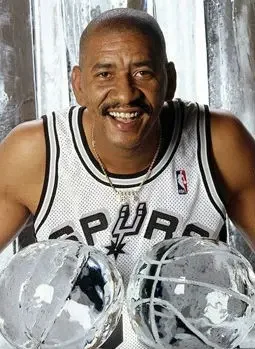
The landscape shifted further just days after Williams filed. NBA legend, George Gervin, an NBA Hall of Famer and four-time scoring champion best known for his time with the San Antonio Spurs, has been widely known as “The Iceman” for decades due to his smooth playing style and icy composure.
On March 20, 2026, Gervin filed two of his own ICEMAN applications:
ICEMAN: Serial No.99715702
ICEMAN 44: Serial No. 99715714
Gervin asserts use of the ICEMAN mark as a part of his entertainment services dating back to 1980 and an intention to use the ICEMAN and ICEMAN 44 marks in connection with clothing and apparel.
Gervin’s long-standing association with the nickname and decades of claimed use may give him a strong claim to priority, particularly in entertainment-related services.
ICEMAN – George Gervin Applications
| Class | Goods / Services |
|---|---|
| 025 | Apparel (shirts, hats, jackets, shoes, etc.) – intent-to-use |
| 041 | Entertainment services (appearances, basketball events, training, media content) – use in commerce (since 1980) |
Timing Matters: A Procedural Chessboard
The filing sequence may shape how these applications move through the USPTO.
Although Gervin may ultimately have the strongest substantive priority based on use, his application was filed last. As a result, it will likely be examined after the Williams and Liddell applications. If the examining attorney identifies a likelihood of confusion with those earlier-filed applications, Gervin’s application may be suspended pending their resolution.
At the same time:
Williams’ applications may be suspended pending Liddell’s earlier-filed applications
Liddell’s applications, in turn, may never mature if use is not established
This creates a potential chain of suspensions where:
The earliest filer (Liddell) holds procedural priority but faces timing pressure
The middle filer (Williams) is blocked by earlier filings
The latest filer (Gervin) may have the strongest rights but must wait his turn procedurally
Key Issues: Priority, Overlap, and Likelihood of Confusion
With three sets of applications now pending, several trademark principles come into play.
Priority Will Likely Turn on Use, Not Filing
Williams: intent-to-use only
Liddell: intent-to-use only
Gervin: claimed use since 1980 (Class 041)
If Gervin substantiates his use, he likely holds priority rights in entertainment services, which could present a barrier to Williams’ Class 041 application regardless of Williams’ earlier filing date.
Apparel Is a Crowded but Critical Battleground
All three parties seek rights in Class 025 apparel, a category where:
Consumer confusion risk is typically higher
Coexistence is sometimes possible, depending on branding and channels of trade
Even so, identical or highly similar marks—particularly ICEMAN—on overlapping goods may invite refusals or oppositions.
Dominant Term Overlap
Although Liddell’s mark includes his full name, the shared dominant term “ICEMAN” remains central to the analysis. The USPTO and TTAB often focus on the dominant portion of a mark, especially where consumers may shorten or emphasize that portion in practice.
Strength of Nickname-Based Rights
Gervin’s decades-long nickname recognition raises additional considerations:
Potential common law rights predating all applications
A broader zone of protection in sports and entertainment contexts
This could make Gervin a particularly strong opponent in any opposition proceeding.
What to Watch
As these applications move forward:
The USPTO may issue likelihood-of-confusion refusals between the pending marks
Any of the parties may initiate opposition proceedings once marks are published
The outcome may ultimately depend on evidence of use and marketplace recognition, not just filing dates
For Williams, the filings represent a strategic effort to lock down a marketable identity early. But in a space where multiple high-profile athletes lay claim to the same nickname, securing exclusive rights may prove more complex than the initial filings suggest.
TL;DR:
Chicago Bears star quarterback, Caleb Williams is staking a claim to “ICEMAN” nickname in two new Intent-to-Use trademark applications, but with earlier trademark filings by MMA great Chuck Liddell and a later-filed, use-based application from NBA Hall of Famer George Gervin, their just may be a battle to own ICEMAN trademark rights heating up.
Share this article on:
DISCLAIMER: Information on this site is provided for informational purposes only and does not constitute legal advice. No attorney–client relationship is formed unless and until a written retainer agreement is executed. The views and opinions expressed by Randi Leath in this blog are her own. This blog is not affiliated with, endorsed by, or sponsored by Chartwell. See full disclaimer



Strength Breeds Protection: The Importance of a Strong Trademark
In the world of business, trademarks are powerful tools for brand identity and loyalty. However, not all trademarks are created equal. Inside, we explore the concept of trademark strength and why investing in a strong trademark from the start is essential for athletes, creative entrepreneurs, and small businesses. Discover how strong trademarks offer enhanced legal protection, reduce confusion, deter infringement, safeguard against dilution, and amplify brand recognition. Don't settle for a weak mark—choose strength and build a powerful brand.
Published: June 16, 2023

In the world of business, trademarks serve as formidable tools for establishing brand identity, differentiating products or services, and cultivating customer loyalty. However, not all trademarks are created equal. Some possess a strength that sets them apart, influencing the level of legal protection they receive. While all trademarks enjoy some degree of protection, strong trademarks hold a distinct advantage over weaker ones. In this blog post, we will delve into the concept of strength in trademarks and highlight why investing in a strong trademark from the outset is essential for businesses aspiring to build powerful brands.
The Distinctiveness Factor
At the core of a strong trademark lies its distinctiveness. Distinctiveness refers to the mark's ability to stand out and be recognized as a unique identifier of a particular brand. When it comes to trademarks, distinctiveness is key. A strong trademark is one that stands out from the crowd. It possesses the ability to capture attention and create a lasting impression in the minds of consumers. From a legal perspective, distinctiveness is important because it determines the scope of protection a trademark can enjoy.
Weak trademarks, such as generic and descriptive marks, have limited legal protection. Generic terms, like "Bicycle" for a bicycle shop, cannot function as trademarks since they describe the product or service itself. Descriptive marks directly describe a characteristic or quality of the goods or services, making them less distinctive. While weak marks can be memorable, they offer minimal legal protection and are vulnerable to infringement.
Strong trademarks, including suggestive, fanciful, and arbitrary marks, enjoy robust legal protection. Suggestive marks hint at the nature or quality of the product or service without directly describing it, while fanciful and arbitrary marks are inherently distinctive and have no connection to the goods or services offered. Strong marks are memorable, easily recognized, and have a higher likelihood of being protected under trademark law.
The Protective Power of Strength
While generic and descriptive brand names are often the easiest to come up with, their convenience is often overshadowed by the enhanced legal protections, brand recognition and opportunities for growth enjoyed by stronger brand names.
Strong Trademarks: Fortresses of Protection
Strong trademarks, notably fanciful and arbitrary marks, receive substantial legal protection due to their inherent distinctiveness.
Reduced Likelihood of Confusion
Strong trademarks significantly decrease the likelihood of consumer confusion. When your mark stands out from the crowd, it becomes easier to enforce your rights and prevent others from using similar marks that might confuse customers. This protection is particularly valuable in crowded marketplaces with numerous competitors vying for attention.
Weak trademarks face an uphill battle when it comes to enforcement. Generic and descriptive marks lack distinctiveness, making it challenging to prove that another party's use of a similar mark constitutes infringement. Weak marks are more prone to confusion, dilution, and infringement, as they provide little legal ground to combat unauthorized use effectively.
Greater Scope of Protection
Strong trademarks benefit from broader legal protection. Courts are more likely to extend protection to marks that are inherently distinctive, fanciful, or arbitrary, as they inherently possess unique qualities that set them apart. Trademarks with a broad scope of protection may have coverage that extends beyond the jurisdiction of registration. For instance, some countries recognize well-known or famous trademarks and provide them with broader protection, even if they are not registered in that specific country. This allows the trademark owner to enforce their rights in additional jurisdictions. This protection can encompass not only identical or similar goods and services but also related goods and services, even if they are not directly related to the goods or services for which the mark is registered. This broader coverage prevents others from using similar marks on related or unrelated products or services, as it helps maintain the distinctiveness and reputation of the mark.
Weak trademarks, on the other hand, are inherently less distinctive. This lack of distinctiveness limits their scope of protection, often confining them to narrower categories or specific markets. Competitors can easily adopt similar marks for different goods or services or in different geographic areas, making it difficult to enforce exclusive rights and prevent consumer confusion.
Enhances Defense Against Infringement
A strong federally registered trademark can serve as a powerful deterrent against potential infringers. Generally, businesses and individuals do not have malicious intentions and do not want to infringe on someone else's trademarks. When businesses conduct trademark searches and come across a strong trademark, they are less inclined to adopt a similar or potentially confusing mark out of concern for infringing upon the broad scope of the existing trademark. Competitors, who are aware of the legal consequences and reputation risks associated with infringing on a strong trademark, become cautious about engaging in activities that could lead to confusion among consumers. The recognition of a strong trademark's distinctiveness, reputation, and extensive protection serves as a powerful deterrent, safeguarding the brand's integrity and discouraging imitation. Competitors coming across weak trademarks however, may be inclined to adopt a similar or potentially confusing mark if they believe the existing trademarks have a narrow scope of protection or are less enforceable.
Trademark Dilution Safeguard
Trademark dilution occurs when a similar mark weakens the distinctiveness and uniqueness of a famous mark, even without causing consumer confusion.
Dilution weakens the power and exclusivity associated with a strong trademark, potentially diminishing its brand value. Fortunately, strong trademarks, especially those widely recognized and linked to well-established brands, benefit from enhanced protection against dilution. Because of their broader scope of protection, courts are more inclined to safeguard the reputation and distinctiveness of strong marks, preventing their dilution through unauthorized use.
Weak trademarks, by their nature, are more susceptible to dilution. Since they lack inherent distinctiveness, their dilution claim may not carry the same weight as that of a strong mark. Establishing fame and proving that unauthorized use of a similar mark would dilute the weak mark's uniqueness becomes more challenging, leaving it exposed to potential dilutive practices.
Amplified Brand Recognition
A strong trademark goes beyond legal protection—it plays a pivotal role in building brand equity and fostering consumer recognition. Strong trademarks become synonymous with a brand, representing its values, quality, and reputation. These marks help build brand equity, creating trust and loyalty among consumers. Through consistent use, a strong trademark gains recognition, positioning the brand favorably in the minds of consumers.
Weak trademarks face an uphill battle in achieving strong brand recognition. Without distinctiveness, they may struggle to differentiate themselves from competitors, making it harder to build brand loyalty or establish a unique brand identity. Weak trademarks often rely more heavily on marketing efforts and consistent branding to create brand recognition.
Final Thoughts
In the realm of trademarks, strength reigns supreme. A strong trademark, with its distinctiveness and legal protections, becomes a fortress of defense, amplifying brand recognition, and safeguarding against dilution and infringement. From reduced confusion to broader protection, investing in a strong trademark from the start empowers businesses to build powerful brands that leave a lasting legacy.
TL;DR:
Trademarks are essential for establishing brand identity and loyalty, but not all trademarks are equal. Strong trademarks, with their distinctiveness, enjoy enhanced legal protection and numerous benefits. They reduce confusion, have a broader scope of protection, deter infringement, safeguard against dilution, and amplify brand recognition. Weak trademarks, lacking distinctiveness, face challenges in enforcement, limited protection, and diluted uniqueness. Investing in a strong trademark from the start is crucial for businesses aiming to build powerful brands.
Share this article on:
DISCLAIMER: Information on this site is provided for informational purposes only and does not constitute legal advice. No attorney–client relationship is formed unless and until a written retainer agreement is executed. The views and opinions expressed by Randi Leath in this blog are her own. This blog is not affiliated with, endorsed by, or sponsored by Chartwell. See full disclaimer

First Use is written by Randi Leath, a trademark and intellectual property attorney who advises businesses, entrepreneurs, and creatives on on building, protecting, and using their brands.
Her practice focuses on trademarks, licensing, enforcement, and brand strategy, with an emphasis on providing practical, business-minded guidance tailored to each client’s goals.