

Trademark
& IP Blog
Practical insights on trademarks, licensing, enforcement, and brand strategy for growing businesses and creators.
Published by Randi Leath, Esq.
Caleb Williams Moves to Trademark “ICEMAN” — But the Field Is Getting Crowded
Caleb Williams is making a strong branding move with “ICEMAN,” but things may be heating up fast. With Chuck Liddell filing first and George Gervin claiming decades of use, the race for trademark rights is anything but cold.
Published: March 23, 2026

Chicago Bears quarterback Caleb Williams, the No. 1 overall pick in the 2024 NFL Draft and one of the league’s most marketable young players, is the latest athlete to take a proactive approach to brand protection. On March 16, 2026, Williams filed two trademark applications for the moniker ICEMAN, a nickname increasingly associated with his on-field composure and late-game performance.
The filings reflect a broader trend among professional athletes seeking to secure rights in nicknames tied to identity and commercial appeal.
While many are applauding the power play, competition around “ICEMAN” may be heating up.
Williams’ Filings: Broad, But Intent-to-Use
Williams’ applications (filed by Caleb Williams Holdings, Inc.) cover both a standard character mark and a stylized version of ICEMAN. Both are filed on an intent-to-use (ITU) basis, meaning Williams has not yet claimed use of the mark in commerce.
The scope of the filings is expansive and reflects a typical athlete-driven brand strategy.
The inclusion of Class 025 (apparel) and Class 041 (entertainment services) signals an intent to commercialize the nickname across both merchandise and media platforms.
ICEMAN – Caleb Williams Applications

| Class | Goods / Services |
|---|---|
|
009
|
Eyewear; sunglasses; downloadable posters; downloadable software featuring digital trading cards |
| 018 | Athletic bags; backpacks; tote bags; luggage |
| 025 | Water bottles; sports bottles; mugs |
| 021 | Apparel (shirts, sweatshirts, hats, jerseys, jackets, vests) |
| 028 | Sporting goods (footballs; balls for games) |
| 041 | Entertainment services (personal appearances; football-related programming; events; multimedia content) |
Prior Pending Applications: Chuck “The Iceman” Liddell
Williams, however, is not the first athlete to seek federal protection tied to the “ICEMAN” name. Chuck Liddell, a UFC Hall of Famer and one of the most recognizable figures in mixed martial arts during the sport’s early mainstream rise, has long been associated with the nickname “The Iceman.”
Liddell has two earlier-filed applications for CHUCK “THE ICEMAN” LIDDELL, filed in. April 2022, both still pending and filed on an intent-to-use basis.
One of Liddell’s applications overlaps directly with Williams’ filings in Class 025 apparel, and somewhat with the Class 028 sporting goods creating a potential point of conflict.

CHUCK “THE ICEMAN” LIDDELL – Applications
| Class | Goods / Services |
|---|---|
|
032
|
Beer; energy drinks |
| 033 | Alcoholic beverages (excluding beer) |
| 025 | Apparel (shirts, pants, hats, jackets, etc.) |
| 028 | MMA and boxing equipment; fitness gear |
Liddell’s Clock Is Ticking
Liddell’s applications are not only earlier-filed, but they are also deep into the post–Notice of Allowance phase, with repeated extensions of time to file a Statement of Use:
Serial No. 97375439: 5th extension granted
Serial No. 97375417: 4th extension granted, with a 5th extension request filed in February 2026 and currently pending
Under USPTO rules, applicants have a limited window—generally up to 36 months from the Notice of Allowance—to begin use of the mark and submit proof.
This creates an important dynamic:
Liddell’s earlier filing date gives him priority over Williams in an ITU-versus-ITU analysis
But his applications are approaching the last round of the allowable extension period
If Liddell timely submits a Statement of Use, his position strengthens significantly. If not, his applications could abandon, removing a key obstacle for Williams. In that sense, Liddell’s filings act as both a procedural roadblock and a potentially temporary one.
A New Entrant with Old Rights: George “The Iceman” Gervin
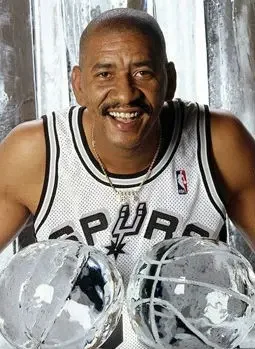
The landscape shifted further just days after Williams filed. NBA legend, George Gervin, an NBA Hall of Famer and four-time scoring champion best known for his time with the San Antonio Spurs, has been widely known as “The Iceman” for decades due to his smooth playing style and icy composure.
On March 20, 2026, Gervin filed two of his own ICEMAN applications:
ICEMAN: Serial No.99715702
ICEMAN 44: Serial No. 99715714
Gervin asserts use of the ICEMAN mark as a part of his entertainment services dating back to 1980 and an intention to use the ICEMAN and ICEMAN 44 marks in connection with clothing and apparel.
Gervin’s long-standing association with the nickname and decades of claimed use may give him a strong claim to priority, particularly in entertainment-related services.
ICEMAN – George Gervin Applications
| Class | Goods / Services |
|---|---|
| 025 | Apparel (shirts, hats, jackets, shoes, etc.) – intent-to-use |
| 041 | Entertainment services (appearances, basketball events, training, media content) – use in commerce (since 1980) |
Timing Matters: A Procedural Chessboard
The filing sequence may shape how these applications move through the USPTO.
Although Gervin may ultimately have the strongest substantive priority based on use, his application was filed last. As a result, it will likely be examined after the Williams and Liddell applications. If the examining attorney identifies a likelihood of confusion with those earlier-filed applications, Gervin’s application may be suspended pending their resolution.
At the same time:
Williams’ applications may be suspended pending Liddell’s earlier-filed applications
Liddell’s applications, in turn, may never mature if use is not established
This creates a potential chain of suspensions where:
The earliest filer (Liddell) holds procedural priority but faces timing pressure
The middle filer (Williams) is blocked by earlier filings
The latest filer (Gervin) may have the strongest rights but must wait his turn procedurally
Key Issues: Priority, Overlap, and Likelihood of Confusion
With three sets of applications now pending, several trademark principles come into play.
Priority Will Likely Turn on Use, Not Filing
Williams: intent-to-use only
Liddell: intent-to-use only
Gervin: claimed use since 1980 (Class 041)
If Gervin substantiates his use, he likely holds priority rights in entertainment services, which could present a barrier to Williams’ Class 041 application regardless of Williams’ earlier filing date.
Apparel Is a Crowded but Critical Battleground
All three parties seek rights in Class 025 apparel, a category where:
Consumer confusion risk is typically higher
Coexistence is sometimes possible, depending on branding and channels of trade
Even so, identical or highly similar marks—particularly ICEMAN—on overlapping goods may invite refusals or oppositions.
Dominant Term Overlap
Although Liddell’s mark includes his full name, the shared dominant term “ICEMAN” remains central to the analysis. The USPTO and TTAB often focus on the dominant portion of a mark, especially where consumers may shorten or emphasize that portion in practice.
Strength of Nickname-Based Rights
Gervin’s decades-long nickname recognition raises additional considerations:
Potential common law rights predating all applications
A broader zone of protection in sports and entertainment contexts
This could make Gervin a particularly strong opponent in any opposition proceeding.
What to Watch
As these applications move forward:
The USPTO may issue likelihood-of-confusion refusals between the pending marks
Any of the parties may initiate opposition proceedings once marks are published
The outcome may ultimately depend on evidence of use and marketplace recognition, not just filing dates
For Williams, the filings represent a strategic effort to lock down a marketable identity early. But in a space where multiple high-profile athletes lay claim to the same nickname, securing exclusive rights may prove more complex than the initial filings suggest.
TL;DR:
Chicago Bears star quarterback, Caleb Williams is staking a claim to “ICEMAN” nickname in two new Intent-to-Use trademark applications, but with earlier trademark filings by MMA great Chuck Liddell and a later-filed, use-based application from NBA Hall of Famer George Gervin, their just may be a battle to own ICEMAN trademark rights heating up.
Share this article on:
DISCLAIMER: Information on this site is provided for informational purposes only and does not constitute legal advice. No attorney–client relationship is formed unless and until a written retainer agreement is executed. The views and opinions expressed by Randi Leath in this blog are her own. This blog is not affiliated with, endorsed by, or sponsored by Chartwell. See full disclaimer




New Filings Suggest Fight to Own “Tendernism” May Just Be Beginning
The internet may think the Tendernism trademark fight is over, but the legal reality is more complicated. New trademark filings, assignment issues, and the fallout involving Destination Smokehouse suggest the dispute over who owns the mark is still unfolding.
Published: March 9, 2026
Over the past several months, the internet has rallied behind Walter Johnson, better known online as “Mr. Tendernism.”
Johnson rose to viral fame through videos filmed at Destination Smokehouse, a barbecue restaurant in Marietta, California. In the clips, Johnson enthusiastically demonstrates the restaurant’s barbecue, often pulling apart ribs while declaring they have reached “Tendernism.”
According to Johnson, Tendernism refers to meat so tender you don’t even need teeth to eat it.
The videos quickly spread across TikTok, Instagram, and YouTube. As they did, the phrase “Tendernism” became inseparable from Johnson himself.
But as the phrase went viral, something else happened.
Multiple trademark applications for TENDERNISM were filed with the United States Patent and Trademark Office (USPTO) and a battle for ownership of the mark began.
Recently, many people online have been celebrating what they believe is a major victory for Johnson after reports surfaced that an attorney who filed an earlier trademark application assigned that application to him.
But, just as it seemed like the Tendernism trademark dispute might be settling down, new developments suggest the story may be far from over.
A Potential Roadblock: The Intent-to-Use Assignment Issue
As the internet has celebrated Johnson’s “win,” one key point of trademark law has gotten overlooked. The application that was reportedly assigned to Johnson was filed as an intent-to-use trademark application.
Intent-to-use applications allow someone to reserve a filing date for a mark they intend to use in the future.
But they come with an important limitation.
Under U.S. trademark law, an intent-to-use application cannot be assigned to another party before the applicant files a Statement of Use, unless the transfer occurs as part of the sale of the underlying business associated with the mark.
The rule exists for a reason.
Trademark law does not allow people to simply “park” on trademarks the way people often park on popular domain names waiting until someone comes along willing to pay a pretty penny to own it.
Applicants must have a legitimate intention to use the mark they’ve applied for, and the law restricts transfers to prevent people from filing applications solely to hold the mark for someone else or to force someone who actually wants to use it to buy it off of them.
That rule raises an interesting question in this situation.
We know the original applications were filed by attorney Kenneth L. Harris. It appears that Harris has reportedly agreed to assign to Walter Johnson.
What remains unclear is why the applications were filed in Harris’s name in the first place.
If Harris intended to develop or use the TENDERNISM brand himself, that would be consistent with how intent-to-use applications are designed to work.
But if the applications were filed solely to hold the mark for Johnson until it could be transferred, as some reports have implied , that could potentially raise issues under the rules governing intent-to-use applications.
Without knowing the details of the arrangement, it is impossible to draw conclusions.
But it does illustrate another important truth about trademarks:
Applications alone do not determine ownership, and the path from filing to enforceable trademark rights is rarely as simple as it appears online.
New Trademark Filings Enter the Picture
While the assignment news spread online, three additional trademark filings quietly appeared at the United States Patent and Trademark Office.
On February 22, 2026, an application for MR TENDERNISM was filed by Connie Simmons of Jonesboro, Georgia covering business consulting and intellectual property licensing services.
Then, on March 8, 2026, two additional applications were filed by TreImage LLC, a branding and licensing consultancy based in Long Beach, California.
Those filings include:
TENDERNISM covering grills, barbecue equipment, and various meat and food products.
MR. TENDERNISM covering seasonings, sauces, and barbecue rubs.
All three of these filings were submitted on an intent-to-use basis and are currently awaiting examination.
Little is known of Connie Simmons.
TreImage is a marketing and licensing consultancy that has reportedly worked with well-known figures such as Soulja Boy, Ray Lewis, Royalty Brown, Warren G, Master P, and Ja Rule.
Perhaps Mr. Tendernism has now joined their roster.
Or…perhaps not.
At this stage, it is not clear whether Connie Simmons or TreImage LLC have any connection to Walter Johnson.
But even if these filings were made with Johnson’s involvement, the approach is quite curious.
None of the new applications list Johnson himself as the owner.
A detail that matters more than you think.
Trademark ownership must reflect who actually controls the brand in the marketplace. Identifying the correct owner at the time of filing is critical, because listing the wrong owner can weaken the application, create enforcement problems, and in some cases jeopardize the validity of the trademark altogether.
If the goal is for Walter Johnson to build and control the Tendernism brand, you would expect to see Johnson listed as the applicant.
Instead, the current filings list third parties as the owners, which could allude to issues down the road about who actually controls the brand and the validity of the pending applications.
There is also another wrinkle.
Because these applications were filed on an intent-to-use basis, the listed applicants must have a bona fide intent to use the mark in commerce themselves. If the applications were filed by third parties primarily to hold the mark for someone else, they could face some of the same complications that appear to be arising with the earlier Kenneth Harris application.
Whether these filings reflect a coordinated strategy involving Walter Johnson or the emergence of additional competition seeking their own stake in the mark remains to be seen.
Either way, it appears the Tendernism trademark saga may still have several chapters left to play out.
Destination Smokehouse: A Lesson in the Power of Public Opinion
While the legal questions surrounding the Tendernism trademark continue to evolve, Destination Smokehouse, one of the original parties involved in the dispute and the strongest challenger to Johnson’s rights, appears to have thrown in the towel after its public falling out with Johnson.
In applications filed in December 2025 and January 2026, Destination Smokehouse claimed it owned the trademark based on first use in April 2024.
Following a wave of backlash that erupted online, the phrase “Tendernism” appears to have largely disappeared from the restaurant’s public-facing materials. The term no longer appears on the restaurant’s website, and recent social media posts do not appear to prominently feature the phrase that once helped propel the restaurant to viral fame.
The fallout has reportedly been significant. The restaurant has lost hundreds of thousands of followers across social media platforms, and online reports suggest that customer traffic at its locations has dropped sharply as calls for boycotts spread across TikTok and other platforms.
And that highlights on of the most important lessons from the Tendernism dispute.
Sometimes the most important trademark question is not:
“Who can win the legal fight?”
But rather:
“What happens to the brand if you do?”
Trademarks exist at the intersection of law, branding, and public perception.
Here, while the company’s applications remain pending with the USPTO, in the court of public opinion, the verdict is already in.
To millions of viewers online:
Tendernism is Walter Johnson.
The phrase is inseparable from the personality who made it famous.
And that reality should serve as a warning to anyone else considering staking a claim to the mark.
Because even if the law might offer a path to claim the rights, the public has already decided who truly owns the brand, and they’re firmly in his corner.
TL;DR
The viral “Tendernism” phrase made famous by barbecue pitmaster Walter “Mr. Tendernism” Johnson has sparked a growing trademark battle. While many online believe Johnson now owns the mark after an application was reportedly assigned to him, the situation is more complicated. Questions about intent-to-use trademark assignments, new trademark filings by other parties, and the public backlash against Destination Smokehouse suggest the Tendernism trademark saga may still have several chapters left to play out.
Share this article on:
DISCLAIMER: Information on this site is provided for informational purposes only and does not constitute legal advice. No attorney–client relationship is formed unless and until a written retainer agreement is executed. The views and opinions expressed by Randi Leath in this blog are her own. This blog is not affiliated with, endorsed by, or sponsored by Chartwell. See full disclaimer
Trademark Knockout Search Explained: What It Is and How to Do One
Coming up with a brand name is exciting, but before you commit, it’s important to check for obvious trademark conflicts. This post walks you through what a preliminary trademark knockout search is, how to conduct one yourself, what the results really mean, and when it’s time to involve an attorney.
Published: February 19, 2026
You’ve finally landed on it.
The name that feels right. The one you can already picture in a logo, on a website, or across product packaging.
It feels exciting. Energizing. You can’t wait to announce it to the world.
Before you get too attached, though, there’s one practical question worth asking:
“Is this name actually available to use?”
A full answer to that question typically requires a comprehensive trademark search and clearance. But before bringing in an attorney for that deeper review, there is a practical first step you can take on your own to identify the obvious red flags.
That’s where a preliminary “knockout” search comes in.
A knockout search is a quick, early-stage review designed to identify identical or nearly identical matches. While it will not confirm that a name is available, it can help you identify the names that clearly are not.
Think of it as an efficient first filter that helps you narrow your list before investing in a deeper legal review.
Let’s walk through what that looks like.
Why a Preliminary Knockout Search Matters
A knockout search plays an important role in the naming process.
It fits naturally into the early stages of brand development, whether you are brainstorming names, working to narrow your list or preparing to move forward with a favorite. Conducting a knockout search before rolling out a name, investing in design, or building other trademark assets can help you avoid unnecessary setbacks.
At its core, a knockout search helps you eliminate the obvious no’s.
If you uncover identical or nearly identical uses connected to similar goods or services, that is usually a clear signal to reconsider. Identifying that early allows you to pivot before investing further time, money, and creative energy into a name that may create legal headaches or prove difficult to protect down the road.
It also supports the long-term strength of your brand. By filtering out names that are clearly too close to existing marks, you improve your chances of building a more distinctive identity in the marketplace.
A knockout search is not a replacement for a comprehensive search performed by an experienced trademark attorney. But it can save you time and expense by helping you avoid investing in a deeper review where an obvious conflict already exists.
Understanding a Preliminary Knockout Search
Before you run a knockout search, it helps to understand what you are actually looking for.
At this stage, you are not trying to answer every legal question. You are looking for obvious conflicts. In trademark terms, that usually means marks that are likely to be considered “confusingly similar” to the name you want to use.
For purposes of a knockout search, two core questions guide the analysis:
How similar is the name itself?
How related are the goods or services?
Similarity of the Name
Start with the name itself.
An exact match is the clearest red flag. But similarity does not stop there. Names can conflict even if they are not spelled the same.
You should look for names that:
Are spelled the same or nearly the same
Sound the same when spoken aloud
Differ only by minor changes, such as plural forms or small spelling tweaks
Create a similar overall impression
For example, if someone told you a brand name out loud, would you immediately know how it is spelled? Small variations often do not eliminate risk.
For a knockout search, you are not analyzing subtle distinctions. You are asking whether the two names are close enough that an ordinary customer might reasonably connect them.
Relatedness of Goods or Services
Next, consider how the name is being used.
Two identical names can coexist if they are used for completely unrelated goods or services. But if the products or services are similar, complementary, or commonly offered by the same types of businesses, the risk increases.
Ask yourself:
Would consumers expect these products or services to come from the same company?
Are they offered in the same industry or marketplace?
Do businesses commonly provide both under a single brand?
You do not need to conduct a deep industry analysis at this stage. You are simply looking for obvious overlap.
If you find a highly similar name being used for related goods or services, that is often a strong signal that the name may not be worth pursuing further.
It is important to understand that determining whether two marks are “confusingly similar” is not always straightforward. That is why a knockout search is best viewed as a first filter. It does not replace a comprehensive search and clearance conducted by an experienced trademark attorney, which involves a deeper and more detailed analysis of potential issues.
What a Knockout Search Can and Cannot Reveal
A preliminary knockout search provides a valuable snapshot of the trademark landscape, but it's important to remember its limitations. Here are a few things a preliminary knockout search does and doesn't tell you:
When conducted properly, a knockout search can reveal:
Identical names already registered and/or in use for related goods or services
Nearly identical variations that are likely to raise concern
Obvious overlap that suggests potential marketplace confusion
In other words, it helps you identify the easy no’s.
It allows you to filter out names that present clear conflicts before you invest further time, energy, or money into developing them.
What a knockout search does not do is equally important.
It will not:
Confirm that a name is legally available
Evaluate nuanced differences that may or may not matter under trademark law
Analyze all marketplace factors that influence risk
Replace a comprehensive search and clearance conducted by an experienced trademark attorney
How to Perform a Preliminary Knockout Search
Once you understand what you are looking for, the process itself is fairly straightforward. To conduct a preliminary knockout search:
Search the USPTO Database
Begin with the USPTO’s trademark database, “Trademark Search”. Search for:
The exact name
Close spelling variations
Phonetic equivalents
Plural forms
Avoid searching too narrowly. Try small variations to see whether similar marks appear.
If you are new to Trademark Search, some helpful guides breaking down how to use the search tool can be found on the USPTO here.
Review the Results in Context
When you find similar marks, review the goods or services listed. You are looking for obvious overlap.
If the same or closely related products or services are involved, that may signal a conflict worth reconsidering.
Matches on the USPTO may prevent you from obtaining a federal registration, as the USPTO will refuse marks it considers likely to cause confusion. It can also signal potential infringement risk, depending on how the other mark is being used.
Conduct a General Online Search
Search the name broadly online. Look for active businesses using the same or nearly identical name in your industry to identify any potential conflicts or brand associations.
If you discover an existing business operating under a similar name in your space, that deserves careful consideration, even if the name does not appear in the USPTO database.
Businesses can develop trademark rights through use, even without a federal registration. This is referred to as “common law” trademark rights. A business with prior common law rights may limit your ability to use or register the name if it infringes on their rights, including by opposing your trademark application, seeking cancellation of a registration, or bringing an infringement claim in court.
Check Domains & Social Handles
While not commonly a part of a knockout search, I like to also check whether the matching domain name and relevant social media handles are available.
While domain names and social media usernames do not determine trademark rights, they can signal whether a name is already in active use. They also play an important role in building a cohesive brand.
Securing a consistent domain and social presence helps strengthen your online identity and makes it easier for customers to find and remember you. If key domains or handles are already taken in your space, that may be another factor to consider before moving forward.
What to Do With the Results
After running a preliminary knockout search, you will likely fall into one of two categories: you found something concerning, or you did not.
If You Find an Identical or Nearly Identical Mark
If you uncover a mark that looks or sounds very similar and is used for related goods or services, that is often a strong signal to pause.
Remember, the goal of a knockout search is to eliminate weak candidates early.
At this stage, you are not trying to justify small distinctions or convince yourself that differences are enough. If the similarity feels obvious, that is usually reason enough to move on and explore other options.
That said, finding a potential conflict does not automatically mean a name is impossible to use. Trademark issues can be nuanced. If you are particularly attached to a name and uncover a concern, an experienced trademark attorney may be able to help you evaluate strategic options before deciding whether to abandon it entirely.
If You Do Not Find Obvious Conflicts
If your search does not reveal clear red flags, that is encouraging. It suggests the name may be worth exploring further.
But this is where it is important to stay disciplined.
The absence of obvious conflicts does not mean the name is clear. It simply means you have not uncovered any immediate disqualifiers.
If the name is one you are seriously considering building around, it's wise to conduct a comprehensive search and clearance before finalizing your decision. This step involves engaging a trademark attorney or clearance service to perform an in-depth analysis of existing trademarks, common law rights, and pending applications. They will provide a comprehensive report that outlines any potential conflicts or risks, allowing you to make an informed decision before moving forward.
A Practical Rule of Thumb
If the similarity jumps out at you immediately, it probably matters.
If you are unsure whether a similarity is significant, that is often a sign that you should consult an attorney.
A knockout search helps you identify what clearly is not available. It does not replace the careful analysis required to assess whether a name may be available and what risks are involved in using it.
Final Thoughts
In the world of branding and marketing, conducting a knockout trademark search is an integral part of the naming process. By performing a preliminary knockout search, you can identify potential conflicts early on, safeguard your investments, and create a distinctive brand identity. However, remember that a preliminary search is just the beginning. To ensure comprehensive protection, consult a trademark professional to perform a thorough search and clearance analysis before finalizing your brand name.
TL;DR:
Run a knockout search before you fall too far in love with a name. It helps you eliminate the obvious no’s early. It won’t give you final clearance, but it will help you decide whether a name is worth investing in for a deeper legal review. To perform a knockout search, check the USPTO database, search broadly online, and look at domain availability to rule out obvious conflicts. If the name survives that stage and you’re serious about moving forward you should consider bringing in an attorney to conduct comprehensive search and clearance before finalizing your decision.
Share this article on:
DISCLAIMER: Information on this site is provided for informational purposes only and does not constitute legal advice. No attorney–client relationship is formed unless and until a written retainer agreement is executed. The views and opinions expressed by Randi Leath in this blog are her own. This blog is not affiliated with, endorsed by, or sponsored by Chartwell .See full disclaimer
Building a Portfolio & Licensing Strategy That Supports Growth
Before you expand into new markets, license your concept, or invest heavily in growth, your trademark strategy needs to support that ambition. Here’s how one business built the right foundation for national expansion.
Published: February 14, 2026
Welcome to Trademarks in Practice — a series where I break down how trademark strategy plays out in real businesses and the decisions behind the scenes that shape how brands grow, expand, and protect what they’re building.
In this installment, we’re looking at how one growing business used trademark clearance, portfolio development, and licensing strategy to move from a strong local brand to a scalable expansion model.
Step 1: Clearance Before Commitment
Every strong trademark strategy starts with one question:
Is this brand actually safe to build on?
Before filing applications, we conducted a comprehensive clearance analysis. This went beyond a quick database search. We evaluated:
Existing federal registrations
Pending applications
Marketplace use
Strength and distinctiveness of the mark
Long-term risk exposure
Why this matters in practice:
It’s dangerous to license what you don’t clearly own.
If you plan to expand, license, or invest heavily in marketing, uncertainty is expensive. Clearance gives you clarity. It allows you to move forward with confidence instead of crossing your fingers and hoping no one objects later.
Step 2: Building the Trademark Portfolio
When building a brand designed to grow, protecting the name is only the beginning.
Before moving forward, we stepped back and assessed what the brand actually consisted of. Not just its primary name, but the full collection of brand assets that would carry it into new markets.
This business wasn’t just offering one service in one location. They were building a concept with room to expand. That meant identifying which brand assets needed protection now, and which new assets should be developed specifically to support licensing and future growth.
So we structured and secured a layered portfolio that included:
The core brand name
A sub-brand designed specifically for licensing and expansion
The brand’s tagline
Its logos and stylized marks
Each filing was part of a broader strategy designed to protect the brand as it exists today while laying the groundwork for where it’s headed next.
Step 3: Using Trademarks as the Foundation for Licensing
Once the portfolio was in place, we shifted from protection to growth.
The business wanted to expand into new markets without losing control over brand identity. That’s where licensing comes in.
At its core, a trademark license is a legal agreement that allows another party to use your trademark under defined conditions. In a license the trademark owner grants permission to use the mark in specific ways, often within certain territories and subject to agreed quality standards.
When structured intentionally, a license becomes a tool for expansion. It allows a business to grow beyond its original footprint while maintaining consistency and control.
For this business's expansion goals, we helped them:
Develop a dedicated licensing sub-brand
Create brand guidelines to preserve consistency
Draft structured licensing agreements
Design scalable models, from limited partnerships to regional expansion
With that groundwork laid, future expansion became far more straightforward.
They aren’t rebuilding agreements from scratch each time they enter a new market. They aren’t scrambling to fix trademark issues. They aren’t reinventing brand standards to maintain consistency across locations.
Instead, they’re building on a framework that was designed from the outset to make growth simpler.
Step 4: Preparing for Enforcement — Before You Need It
A successful licensing program doesn’t end with signed agreements and brand guidelines. It requires a plan for how the trademark will be protected as the business expands.
As part of this work, we prepared the client to enforce their trademark rights, both within the licensing program and beyond it.
When you license your brand, you take on a responsibility to monitor and control how that trademark is used. Trademark law requires quality control. Licensees must use the brand consistently and in accordance with established standards. We discussed how to monitor that use, address inconsistencies early, and maintain the integrity of the mark as the business grows.
We also walked through the broader enforcement tools available should issues arise in the marketplace:
When oppositions make sense
What cancellation proceedings involve
How cease-and-desist letters fit into brand protection
When negotiation or settlement is more strategic than litigation
When and how to involve legal counsel in enforcement decisions
They haven’t needed to enforce yet.
But they understand the tools available and are prepared to respond thoughtfully, if and when enforcement became necessary.
Step 5: Maintenance Is Strategy
Trademarks are long-term assets.
We discussed renewal timelines, expansion filings as the business grows, and how licensing impacts quality control obligations. As the business enters new markets, launches new offerings, or refines its brand, the trademark portfolio needs to reflect those changes.
That means:
Revisiting filings when services expand.
Tracking renewal deadlines well in advance.
Ensuring licensees are using the brand consistently and correctly.
And periodically reassessing whether the portfolio still aligns with where the business is headed.
In practice, trademarks are not “file once and forget.” They are managed assets that evolve with the business.
And when they’re managed intentionally, they continue to support growth instead of creating friction later.
The Result
What started as a strong local brand now has a presence in multiple states, supported by:
A cleared & defensible core brand trademark portfolio
A licensing framework built for expansion
Clear ownership and brand control
The knowledge and tools to maintain and enforce their rights as they grow
More importantly, they now have the infrastructure to continue expanding nationally without reinventing the wheel each time.
That’s the real outcome of thoughtful trademark strategy. Not just registrations. Not just protection.
But a business that can expand with clarity, consistency, and confidence.
TL;DR
When done thoughtfully, trademark strategy becomes more than protection. It becomes infrastructure.
Clearance reduces risk.
A portfolio supports expansion.
Licensing creates leverage.
Enforcement readiness preserves value.
Maintenance sustains growth.
That’s what it looks like when trademark strategy is built to support growth.
Share this article on:
DISCLAIMER: Information on this site is provided for informational purposes only and does not constitute legal advice. No attorney–client relationship is formed unless and until a written retainer agreement is executed. The views and opinions expressed by Randi Leath in this blog are her own. This blog is not affiliated with, endorsed by, or sponsored by Chartwell. See full disclaimer
7 Non-Traditional Trademarks You May Already Be Using
Trademarks aren’t just words and logos. Sounds, colors, product design, packaging, and even scent can function as powerful source identifiers. This post explores seven non-traditional trademarks you may already be using.
Published: February 14, 2026
Photo by All-Pro Reels, CC BY-SA 2.0
Matthew McConaughey has been busy at the U.S. Patent and Trademark Office recently, securing eight trademark registrations covering aspects of his voice, delivery, and related brand elements, including a sound mark for audio of McConaughey saying his iconic “Alright, alright, alright” line from Dazed and Confused.
Through these registrations McConaughey is attempting to utilize the lesser known sound mark protections under trademark law to help curb unauthorized AI use of his voice and likeness.
If you were surprised to learn that a sound can be trademarked at all, you are not alone.
When most people think of trademarks, they think of names and logos, but those are only the beginning. Sound marks, like the one registered by McConaughey, are just one example of a much larger group of non-traditional trademarks that businesses use every day, often without realizing the role those elements can play in protecting and strengthening their brands.
Today, we’re going to explore seven types of non-traditional trademarks you may already be using, without even realizing it.
You may be surprised by how much of your brand is already doing trademark work for you.
What is a Trademark — Really?
At their simplest, trademarks are source identifiers. They are anything that helps consumers connect the products or services they are buying with their source and distinguish one brand from another.
Names and logos do a lot of that work, but trademark law allows brands to signal who they are in many other ways as well.
Below are several common types of non-traditional trademarks you may already be using, and could be leveraging as valuable brand assets.
1. Sound Marks
Sound marks protect distinctive sounds that identify a brand as the source of goods or services.
Familiar examples include:
Netflix: the short “ta-dum” sound that plays before its content
NBC: the iconic three-note chime (often referred to as the “NBC chimes”)
If customers recognize your business by sound alone—before seeing a name or logo—you may already be using a sound mark.
In practice, these marks often require consistent and repeated use so consumers come to associate the sound with a single source
2. Motion Marks
Motion marks protect distinctive movement or animation that functions as a source identifier.
A well-known example:
Disney’s revamped animated opening sequence featuring Cinderella’s Castle that appears before Disney films. Registered 2023. US Registration Number: 6,957,379.
Motion marks can also include:
Animated logo reveals
App loading screens
Repeated transitions used across digital content
If a viewer could recognize your brand based on a specific movement or animation alone, even before seeing your name or logo, that motion may be functioning as a trademark. As with other non-traditional marks, consistency is key. The motion must act as a brand signal, not mere decoration.
3. Trade Dress
Traditionally, trade dress has covered the packaging or “dressing” of a product, including the commercial environment in which the product or service is sold. It protects the total image and overall appearance of a product or service, which may include features such as size, shape, color or color combinations, texture, graphics, and other visual elements working together.
The layout of a restaurant, the design of product packaging, a consistent store aesthetic, or a signature color scheme used together can all contribute to trade dress. It is about the total commercial impression created by those elements working together.
Well-known examples include:

In-N-Out Burger
The distinctive interior restaurant design featuring white sectional walls with horizontal red stripes, glass panels above the dividers, red chairs and booth upholstery, white countertops and tabletops, red and white tile around the ordering area, and a silver counter — all working together to create a recognizable dining environment.
US Registration Number: 4,839,216

Shell
The yellow canopy with a red stripe along the bottom and the word “Shell” displayed in red on the canopy, creating a recognizable gas station presentation associated with the brand.
US Registration Number: 2,985,351
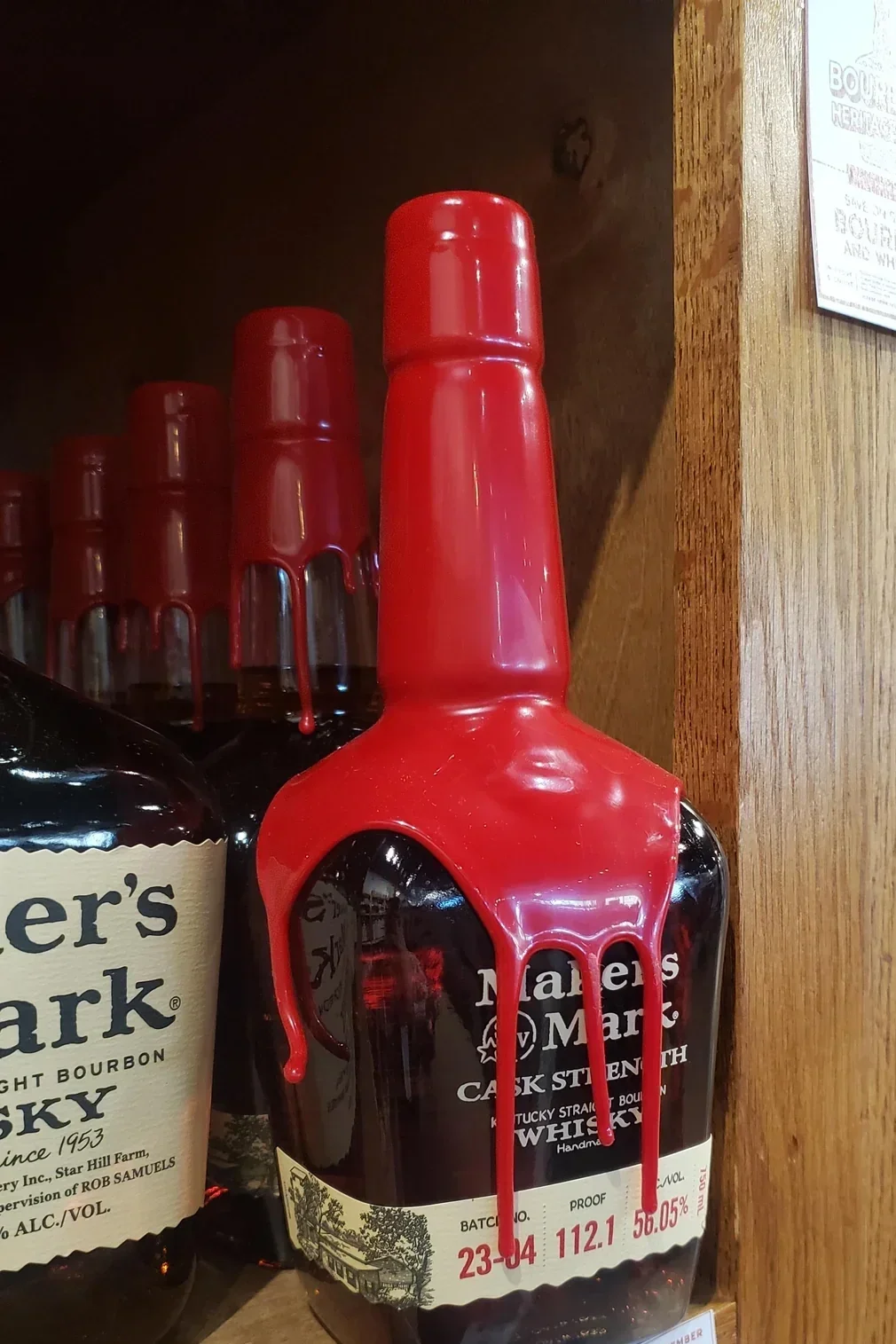
Maker’s Mark
The distinctive red wax-like coating that covers the cap of the bottle and trickles down the neck in a freeform, irregular pattern, first registered in 1985 and later expanded in a subsequent registration in 2021 to protect wax extending further down the body of the bottle as its heavily wax-dipped "slam dunk" bottles gained popularity among collectors and developed a robust secondary market.
US Registration Numbers: 1,469,925; 6,318,596
Over time, trade dress protection has expanded beyond traditional packaging and commercial environments to cover certain non-functional elements of the product itself, including some of the categories discussed below, such as configuration, color, and scent marks.
In fact, almost anything can function as trade dress if it’s non-functional and its overall presentation becomes so uniquely tied to a brand in consumers’ minds that they immediately recognize the source of the goods or services.
4. Color Marks
Color marks are a form of trade dress that protect specific colors (or color combinations) used consistently in connection with particular goods or services.
For goods, a color mark may appear on the entire surface of the product, on a distinct portion of the product, or on all or part of its packaging. For services, color may be used on signage, uniforms, advertising materials, or other materials used in rendering and promoting the services.
Recognizable examples include:

Tiffany & Co. — Tiffany Blue
(Pantone 1837 Blue)
Tiffany Blue has been protected as a registered color trademark since 1998 and was later formalized as a custom Pantone shade, 1837 Blue, created exclusively for Tiffany.
US Registration Number: 2,416,794

UPS — Pullman Brown
(Pantone 462C)
UPS first registered the color brown in 1998 for use on its trucks. In 2004, it obtained an additional registration for the specific shade of chocolate brown, Pantone 462 (aka “Pullman Brown”), for use on vehicles and uniforms.
US Registration Numbers: 2,131,693; 2,901,090

Owens Corning — Pink
Registered in 1987, Owens Corning Pink was the first single-color trademark registered with the USPTO. The company has since expanded its portfolio of color mark registrations to cover use of the color across a variety of building and insulation products, including its well-known insulation materials.
Original 1987 US Registration
Number: 1,439,132,
There’s no doubt that color alone can serve as a powerful source identifier. Because color is often used decoratively or functionally, these marks can be trickier to claim. Successful color marks typically require strong evidence of consistent use in a specific non-functional context over a period of time long enough for consumers to associate the color as an indicator of the source of the goods .
5. Configuration Marks
Configuration marks are a form of trade dress that protect the distinctive overall design of a product itself, which can include its shape, contours, and other three-dimensional design features that together function as a source identifier.
Classic examples include:

Porsch 911 Configuration
Porsche holds two configuration trademark registrations protecting the distinctive silhouette and body design of the Porsche 911, a shape made recognizable through decades of consistent use. The first registration, issued in 2004, covers the 993 generation. A second, issued in 2024, takes a broader approach, intending to protect the 911’s configuration across all future generations.
US Registration Numbers: 2,655,378; 7,603,348,
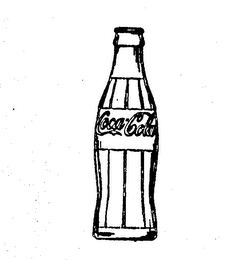
Coca-Cola Drinkware
Coca-Cola holds configuration trademark registrations for various drinkware designs that are recognizable even without labels or logos. Most notably is its distinctive contour bottle shape, originally introduced in 1916 and registered in 1960. The company has continued to protect the three-dimensional shape of its bottles and related packaging as source-identifying product configurations.
Original Coke Bottle US Registration Number: 696,147
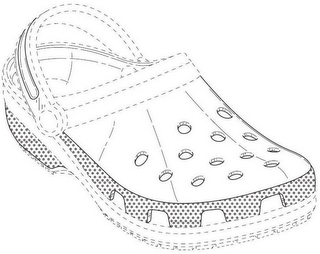
Crocs Shoe Design
Crocs holds configuration registrations covering specific design elements of its foam clogs, including the distinctive pattern of round ventilation holes on the upper, textured side panels with trapezoidal openings, and additional heel and strap detailing. These non-functional design features work together to create a recognizable product configuration associated with the Crocs brand, a distinctive design many consumers love and many love to hate.
US Registration Numbers: 5,273,875; 5,149,328
Configuration marks can be tricky to identify. The challenge is often distinguishing between design elements that identify source and those that serve a functional purpose. Trade dress protection is not available for features that are functional, meaning they affect the product’s performance, cost, or quality. Even partial functionality can limit or defeat a configuration claim, so the focus must be on elements that exist to signal brand, not utility.
If a customer could recognize your brand based on the overall design of your product alone, and that design solely exists to distinguish your product rather than serve a practical/functional purpose, you may have a configuration mark on your hands.
> Practical Tip:
If your product design provides a competitive advantage because of how it works, trademark protection may not be available. In those cases, patent protection may be worth exploring with a patent attorney.
6. Scent Marks
Scent marks are also treated as a type of trade dress. They protect distinctive, non-functional scents that identify a brand.
Notable examples include:
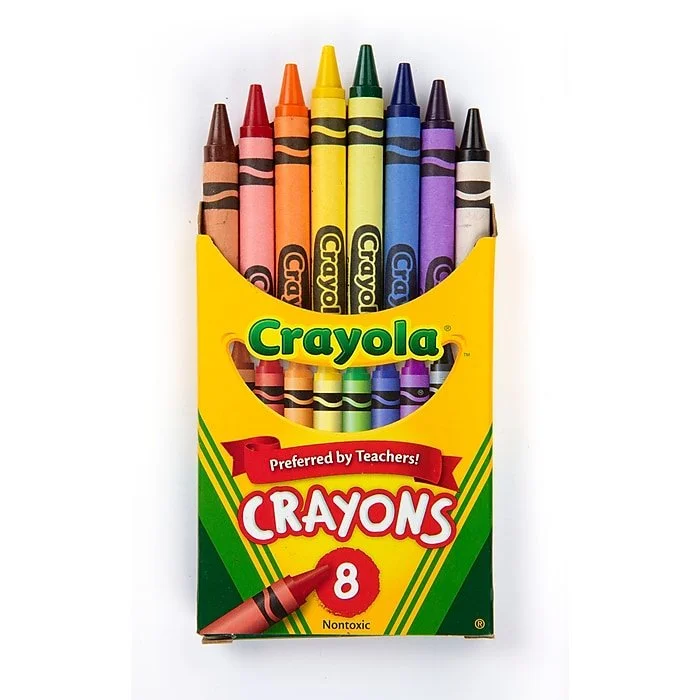
Crayola Crayons
The distinctive scent of its crayons, "a scent reminiscent of a slightly earthy soap with pungent, leather-like clay undertones."
US Registration Number: 7,431,203

Moroccanoil
The signature fragrance used across its hair care products, "a high impact fragrance primarily consisting of musk, vanilla, rose, and lavender."
US Registration Number: 4,057,947
Scent marks are rare and closely scrutinized, but they demonstrate how sensory elements can function as trademarks. Because scents are never considered inherently distinctive, successful registration requires substantial evidence of acquired distinctiveness showing that consumers associate the scent with a single source. To qualify, the scent must also be non-functional and not essential to the product’s use or purpose.
7. Hologram Marks
Hologram marks protect distinctive holographic images used consistently to identify source. These marks are commonly used to signal authenticity and combat counterfeiting.
Examples include:
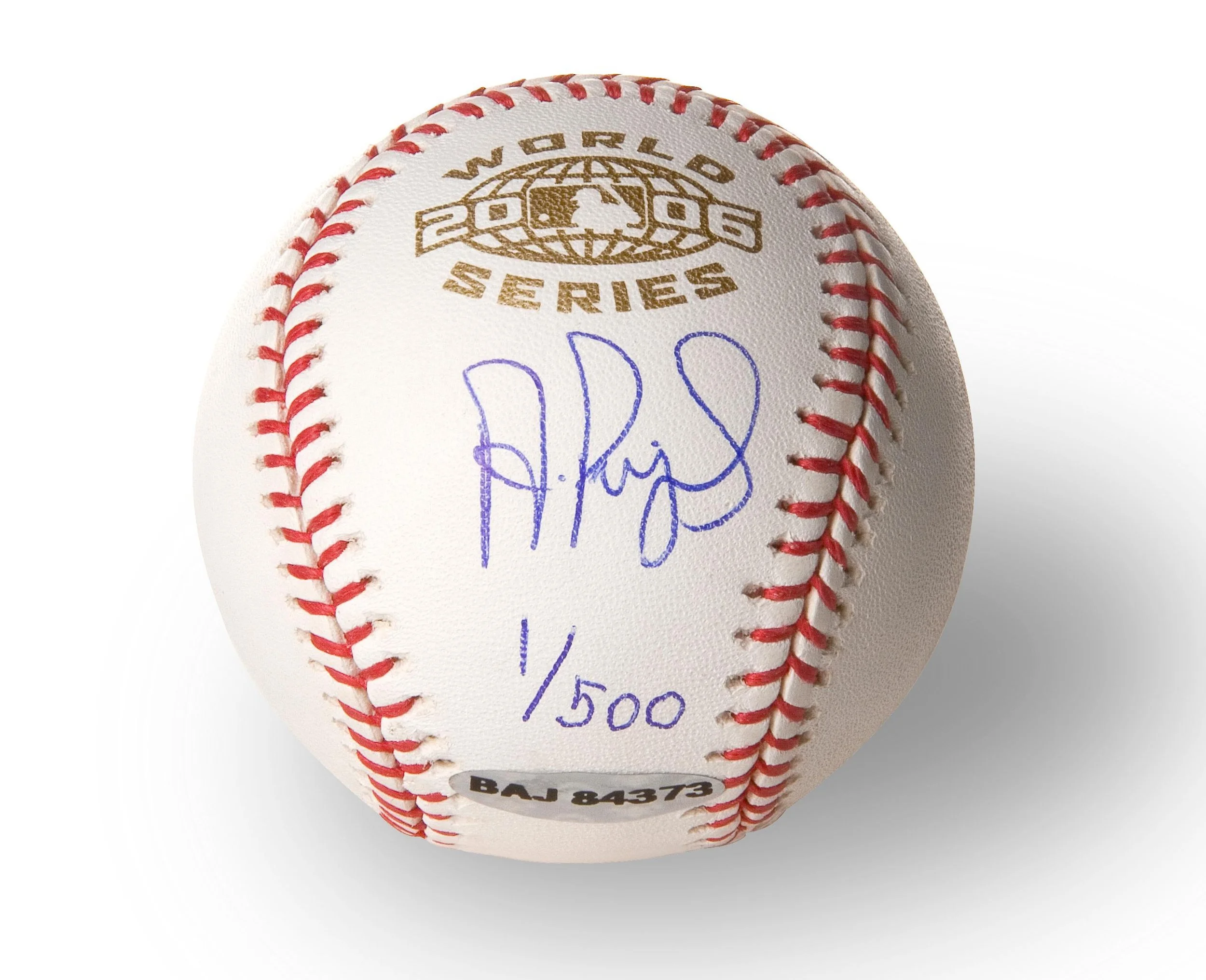
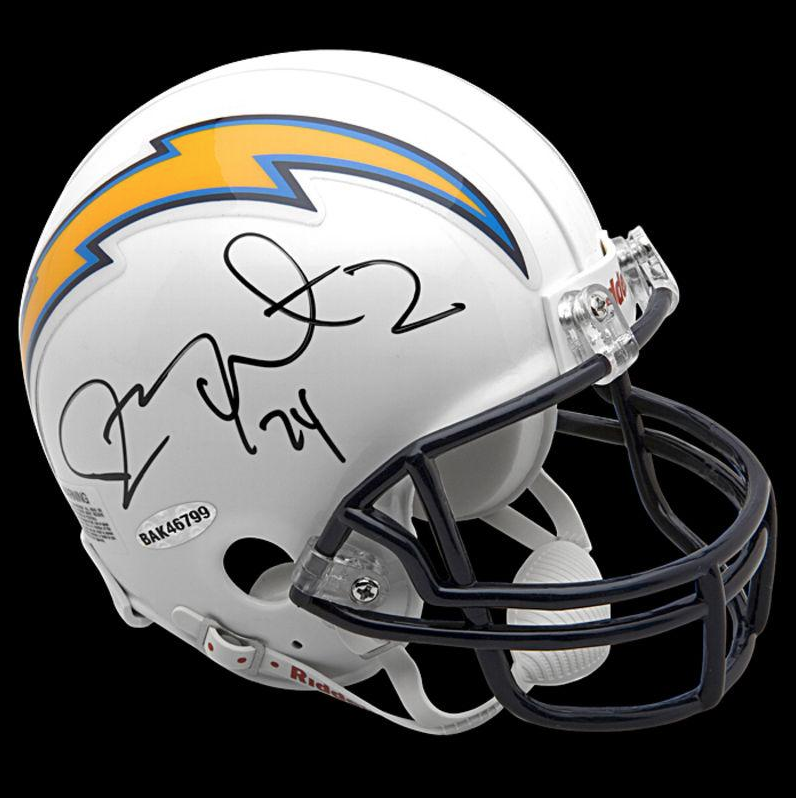
Upper Deck
The oval hologram authentication seal used on collectible trading cards & memorabilia
US Registration Number: 2,619,227

American Express
The square holographic image that appears on its credit cards, used as a consistent security and brand-identifying feature.
US Registration Number: 3,045,251
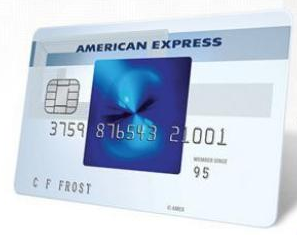
To function as trademarks, holograms must be used consistently and as a source identifier, not merely as variable security features.
Final Thoughts
If reading through these examples made you start mentally checking off elements of your own brand, you’re not alone. Many businesses are already using non-traditional trademarks without realizing it.
The brands that take the time to recognize and protect those assets early are often the ones best positioned to defend, expand, and leverage them over time.
Sometimes the most valuable intellectual property isn’t something you create next. It’s something you’ve been using all along.
TL;DR
Trademarks are not limited to names and logos. At their core, they are source identifiers — anything that helps consumers connect goods or services to a particular brand. Sounds, motion, packaging, product design, color, scent, and even holograms can all function as trademarks when used consistently and in a way that signals source. Trade dress protects the overall look and feel of a brand and has expanded over time to include certain non-functional elements of the product itself. The takeaway: you may already be using non-traditional trademarks without realizing it.
Share this article on:
DISCLAIMER: Information on this site is provided for informational purposes only and does not constitute legal advice. No attorney–client relationship is formed unless and until a written retainer agreement is executed. The views and opinions expressed by Randi Leath in this blog are her own. This blog is not affiliated with, endorsed by, or sponsored by Chartwell. See full disclaimer
How to Choose a Powerful Brand Name
Crafting a powerful and legally defensible brand name is a critical step in building a successful brand. From understanding brand pillars and brainstorming techniques to vetting finalists and protecting your chosen name, this guide provides actionable insights and expert strategies. Learn how to create a brand name that resonates with your audience, stands the test of time, and can be legally protected.
Published: July 13, 2023

Selecting a brand name is a pivotal moment in the branding process that can greatly impact your business's success. A well-crafted brand name not only captures the essence of your brand but also resonates with your target audience and distinguishes you from competitors. However, the journey to finding the perfect brand name is not without its challenges. It requires a thoughtful approach that considers various factors, including trademarkability, audience resonance, and long-term viability.
In this blog post, we will explore the essential elements of a strong brand name and provide you with a step-by-step process to help you find the perfect name for your brand. Whether you're an aspiring entrepreneur, a seasoned business owner, or a creative professional, this guide will equip you with the knowledge and strategies to choose a powerful brand name that not only stands out in the crowded marketplace but also offers strong legal protection.
What makes a good brand name?
When it comes to choosing a brand name, there's more to it than meets the eye. A good brand name is not just a random assortment of words; it's a strategic asset that can make or break your marketing efforts. It's the first impression customers have of your brand, and it sets the tone for their overall experience.
A good brand name is an integral part of your overall branding strategy. It should align with your brand's identity, resonate with your target audience, and create a strong foundation for building brand recognition and loyalty. While there are no hard and fast rules, here are some common traits of powerful brands:
Meaningful: It has a clear connection to your business, products, or services. It should evoke positive associations, reflect your brand's values, and communicate a message that resonates with your target audience.
Distinctive: A distinctive brand name sets you apart from competitors and makes your business easily recognizable. It should be unique, memorable, and not easily confused with existing brands or common terms in your industry.
Accessible: An accessible brand name is easy to pronounce, spell, and remember. It should be user-friendly and not create confusion or barriers for potential customers. Avoid complex or overly long names that can be challenging to communicate and may lead to misspellings or mispronunciations.
Future-proof: It should have longevity and withstand the test of time. Consider the long-term viability of your chosen name by envisioning how it might evolve alongside your business. Opt for a name that can scale with your business, accommodating new products, services, and market opportunities.
Visual: Think from a graphic design perspective. A brand name should lend itself well to visual representation and be visually appealing. Consider how the name will look in your logo, website, and other marketing materials. A visually harmonious name can enhance the overall aesthetics and recognition of your brand.
Protectable: One of the most critical aspects of a good brand name is its protectability. A protectable name is one you can”own” both legally and practically. You can trademark it, get the domain and social media handles, and freely use it.
Ultimately, while all these considerations are important, a good brand name is one that resonates with your customers. It should evoke positive emotions, capture their attention, and create a memorable impression. A powerful brand name though, is not only memorable, its protectable.
What makes a brand name protectable?
In the world of trademarks, brand names are categorized along a spectrum of distinctiveness. The stronger the brand name, the more protectable it is. Let's explore the different categories:
Generic: Generic terms are common words that describe the product or service itself, such as "Computer" for a computer company. Generic terms are not protectable as trademarks because they cannot be exclusively associated with a particular brand.
Descriptive: Descriptive terms directly describe a product or service, such as "Soft and Cozy" for a blanket brand. While descriptive terms are not inherently distinctive, they can acquire distinctiveness over time through extensive use and recognition in the marketplace.
Suggestive: Suggestive brand names suggest or hint at the qualities or characteristics of a product or service without directly describing it. For example, "Netflix" suggests a network of flicks, indicating a streaming service for movies. Suggestive names are inherently distinctive and provide more protection.
Fanciful: Fanciful brand names are completely made-up words or terms that have no prior meaning or association, such as "Google." Fanciful names offer the highest level of distinctiveness and protection since they are unique and highly memorable.
Arbitrary: Arbitrary brand names are existing words or terms that are unrelated to the product or service they represent. An example is "Apple" for a computer company. Arbitrary names are distinctive and offer strong trademark protection.
Coined: Coined brand names are created by combining or altering existing words or terms, such as "Verizon." Coined names are unique and memorable, providing a high level of distinctiveness and protection.
Striking the right balance
When brainstorming a brand name, it's essential to strike a balance between trademark considerations and branding objectives. Many marketing teams tend to prefer generic and descriptive names as they make their jobs easier from a marketing perspective.
Those of us experienced with trademarks, however, understand that fanciful, arbitrary and coined names, while requiring more effort upfront to establish brand recognition and association, also offer businesses the strongest protection. By their nature, these types of names are inherently distinctive and unlikely to be confused with existing trademarks.
Suggestive names provide a middle ground, offering a balance between trademark strength and branding potential. They provide a hint or suggestion about your products or services, allowing consumers to make a connection while still requiring some mental engagement.Suggestive names are often memorable, evocative, and open to creative branding strategies.
By focusing on suggestive, arbitrary, fanciful and coined names during your brainstorming process, you increase the likelihood of creating a strong and protectable brand name while maintaining branding flexibility and creativity.
How to find the right brand name?
Step 1: Understand your brand pillars
Before diving into brainstorming potential brand names, it's essential to have a clear understanding of your brand's pillars. These pillars consist of four key aspects: purpose, personality, perception, and promotion. Defining these pillars will provide a solid foundation and strategic direction for selecting a brand name that aligns with your brand identity. Let's explore each of these pillars in more detail:
Purpose: Why does your business exist beyond making money? What drives you to do what you do as a business?
Positioning: The distinct space your brand occupies in the minds of your target audience relative to competitors, based on your unique value and benefits.
Personality: The unique traits, emotions, and characteristics that define your brand and resonate with your target audience. Is it playful and energetic, sophisticated and luxurious, or reliable and trustworthy?
Perception: How your brand is perceived by your customers, including its image, reputation, and associations - both positive and negative.
Promotion: All the ways you introduce, engage, entice, and motivate customers to connect with your brand and choose your offerings over others.
Take the time to articulate and document your brand pillars before moving forward with brainstorming potential brand names. If you haven't developed your brand pillars yet or need further guidance in defining them, check out this article by branding agency Ignyte. This step will help you maintain focus, consistency, and strategic alignment throughout the naming process.
Step 2: Brainstorm
Now for the fun (and sometimes challenging) part. To kick-off an efficient and effective brainstorm session, follow this five-step process inspired by brand consultant, Emily Heyward:
Assemble Your Team: Gather a diverse group of individuals representing different perspectives and expertise within your organization.
Let Loose: Encourage creativity by creating an open and non-judgmental environment. Encourage participants to think freely and share ideas without limitations. Try starting with a few word association exercises to get the creative juices flowing.
Generate a Round of Ideas: Begin by writing down adjectives that describe your product or service. Then, consider the feelings you want customers to associate with your brand. Perform free associations of words related to your product or service. Finally, explore different categories of brand names, such as founder, descriptive, fabricated, metaphorical, acronym, and magic spell names.
Push Yourselves to Do Another Round: After the initial brainstorming, challenge your team to think beyond the obvious choices. Push for new and innovative ideas that align with your brand pillars. Remember, the strongest names are those that are suggestive, arbitrary, fanciful or coined so really challenge yourselves here to think outside the box.
Share and Build: Share the generated list of names with your team, Engage in constructive discussions, combining and refining ideas to create stronger and more unique possibilities. This collaborative approach can lead to stronger and more creative brand name options.
If you find yourself stuck or need additional inspiration, there are online tools available that can generate brand name suggestions based on your inputs.
Step 3: Narrow Down Your List
After your brainstorming session, you should have quite a few ideas written down. Many will probably be hilariously terrible, but hopefully a few diamonds will be on the list too. To find the few hidden gems, Heyward suggests having your team vote for their top three favorites and then ending the meeting.
Over the next few weeks, she advises the team to sort through every name the group came up with (yes even the bad ones). Consider using the SCRATCH principle to help you evaluate. Set aside names that are:
Spelling-challenged
A Copycat
Restrictive
Annoying
Too Tame
Cursed by jargon
Or Hard to pronounce
After filtering out weaker contenders, write down your favorites on individual sheets of paper to evaluate them. These may or may not be the same ones you chose at the end of the meeting. They may even be ones that you thought of since your brainstorming session. Everything’s fair game here.
Once you’ve narrowed the list down to 10-15 good names, take some time to run them through a preliminary trademark knockout search. Eliminate any ideas that are already in use or too similar to existing trademarks to avoid legal conflicts and confusion in the marketplace.
By this point you should have 3-5 strong contenders left, unless your team is a group of creative geniuses and all of the names survived knockout. If that’s the case, work with your team to narrow the list down further until you have your final favorites.
Step 4: Vet the Finalists
Even though your finalists have survived preliminary elimination, it is still important to work with a legal expert to help you fully vet them. They can conduct a comprehensive trademark search to ensure your chosen names don't infringe on existing trademarks. This protects your brand and avoids costly legal issues.
Additionally, a trademark expert can provide insights on the protectability of your names and help you avoid the need for rebranding in the future. Their expertise ensures you make informed decisions and sets a strong foundation for a powerful brand name. This step can be a bit time consuming, but it will be worth it in the long run.
There’s nothing worse than falling in love with a name only to find out it's not available after the entire team has bought in.
Step 5: Test the Final 3-5 Names with Potential Consumers
Finally, before making the ultimate decision, it's crucial to test the final few brand name choices with your target audience. Seek feedback and evaluate their perceptions, associations, and preferences. This step helps you ensure that your chosen brand name resonates with your intended market.
Here are three simple and easy testing ideas you can use:
Online Surveys: Create an online survey using online platforms like Google Forms or SurveyMonkey. Present the potential brand names to your target audience by sharing the survey with your customers. Ask participants to rate each name based on factors like memorability, relevance, and overall appeal. You can also include open-ended questions to gather qualitative feedback.
Social Media Polls: Leverage social media platforms like Facebook, Instagram, or Twitter to conduct polls. Post each potential brand name as a separate option and ask your followers to vote for their favorite. This approach not only collects valuable feedback but also helps generate buzz and engagement around your brand.
A/B Testing: Create a logo for each of the names. Build two versions of your website with each version featuring a different brand name/logo. Promote the pages using a target Facebook ad for a week. Analyze metrics like click-through rates, bounce rates, and conversion rates to determine which name resonates better with your audience.
Once you’ve completed your tests, you should have a pretty good idea which name to run with; remember, the best names are those your audience resonates with, so trust them.
How to Protect Your New Brand Name
Once you've gone through the process of selecting a brand name, it's crucial to take steps to protect it. Here's what you need to do to safeguard your brand:
Trademark Registration: Work with a trademark attorney to register your brand name as a trademark. This provides legal protection and exclusive rights to use the name in your industry. It prevents others from using a similar name that could cause confusion among consumers.
Domain and Social Media Handles: Secure the domain name that matches your brand name and register the relevant social media handles. This ensures consistency across online platforms and prevents others from using your brand name in digital spaces.
Monitor and Enforce: Regularly monitor the marketplace for any unauthorized use or infringement of your brand name. Act promptly to address any potential infringements to protect your rights and maintain the distinctiveness of your brand.
Brand Guidelines: Establish clear brand guidelines that outline how your brand name should be used, including its appearance, color, typography, and any variations or restrictions. Consistent use of the brand name helps build recognition and strengthens its protection.
Contractual Protections: Incorporate provisions related to the use and protection of your brand name in contracts with suppliers, distributors, and partners. This ensures that others respect and uphold the integrity of your brand name.
By taking these proactive steps to protect your brand name, you establish a solid foundation for long-term brand success. It safeguards your investment in building brand equity and ensures that your brand name remains a valuable asset in the marketplace.
Final Thoughts
Remember, your brand name is an asset worth safeguarding, so invest the time and effort necessary to select a brand name that reflects your brand's essence, leaves a lasting impression and is protectable. With these steps, you can confidently move forward in the branding process, armed with the knowledge and strategies to choose a powerful and protectable brand name that resonates with your audience. Remember, a strong brand name is the beginning of a successful brand identity, so invest the time and effort necessary to make the right choice.
TL;DR
Choosing a brand name requires careful consideration. A good brand name is meaningful, distinctive, accessible, future-proof, visual, and protectable. Understand your brand pillars before brainstorming, assemble a diverse team, generate ideas, and assess candidates. Vet the finalists with a trademark expert, test them with your target audience, and protect your chosen name through trademark registration and vigilant monitoring. A strong brand name sets the tone for your brand identity, resonates with your audience, and establishes a solid foundation for long-term success. Seek professional trademark services to ensure legal compliance and safeguard your brand.
Share this article on:
DISCLAIMER: Information on this site is provided for informational purposes only and does not constitute legal advice. No attorney–client relationship is formed unless and until a written retainer agreement is executed. The views and opinions expressed by Randi Leath in this blog are her own. This blog is not affiliated with, endorsed by, or sponsored by Chartwell. See full disclaimer
Understanding Trademark Ownership: Who is the Proper Owner for Your Trademark Application?
Properly identifying the owner of a trademark is paramount when filing a trademark application. The owner is the individual or company that controls the nature and quality of the goods or services associated with the brand. Failing to accurately designate the owner can lead to a range of complications, including application rejections, void registrations, and limited enforcement rights
Published: June 22, 2023

Starting a new business venture is an exciting time filled with endless possibilities. As an entrepreneur, you invest time, effort, and creativity into developing your brand identity. One essential aspect of protecting your brand is securing a trademark registration. But here's a question that often confuses many: who should be listed as the owner of your trademark application? Should it be you as an individual or your business entity? In this blog post, we'll guide you through the process of understanding trademark ownership and help you determine who you should name as the owner of your trademark when it's time to fill out your trademark application. So, let's dive in!
Understanding Trademark Ownership
Trademark ownership is not solely about having the legal rights to use a particular symbol, word, or design. It also encompasses the responsibility of maintaining and preserving the reputation and goodwill associated with the brand. This includes ensuring that the goods or services offered under the trademark consistently meet a certain level of quality and adhere to the brand's standards.
When it comes to controlling the nature and quality of goods and services, a trademark owner has a vital role to play. This control ensures that consumers associate the trademark with a consistent level of quality, reliability, and satisfaction. By maintaining control over the nature and quality, a trademark owner can protect the reputation and distinctiveness of their brand in the marketplace.
An important exception to the ownership rule applies to intent-to-use (ITU) applications. With an ITU application, you can reserve rights to a mark you intend to use in the future. While you are not yet the actual owner at the time of filing, the intent to use the mark is a prerequisite for obtaining registration. However, it is crucial to ensure that the listed owner has a bona fide intent to use the mark and has a reasonable basis for making such a claim. While an ITU application cannot be voided
It's worth noting that even with an ITU application, the actual owner must be determined before the mark registers. Failure to do so may result in complications, including potential cancellation of the registration or challenges in enforcing the mark.
Determining the Proper Owner of a Trademark
When it comes to trademark ownership, the key factor is the entity or individual who controls the nature and quality of the goods or services associated with the brand. This ownership extends beyond mere legal ownership to the party responsible for the development, manufacturing, marketing, and overall reputation of the brand. Identifying the correct owner is crucial to avoid potential delays, fees, cancellations, and enforceability issues.
Determining when it is appropriate to file a trademark application under an individual's name versus a business entity depends on various factors, including the structure of your business and your long-term goals.
Let's explore a few common scenarios:
When to File Under an Individual's Name:
Sole Proprietorship or Freelancing:
If you're running your business as a sole proprietorship or working as a freelancer, it's common practice to file the trademark application under your individual name. As the sole proprietor, you maintain full control over the nature and quality of the goods and services associated with your brand. This ownership structure is suitable for small businesses, freelancers, or independent consultants who operate without a separate legal entity.
Personal Identity Tied to the Brand:
If your business heavily relies on your personal identity, expertise, or reputation, it may be appropriate to file the trademark application under your name. This is particularly relevant if you anticipate potential separation from the business or rebranding in the future.
Filing an Intent-to-Use application:
If you are preparing to launch a new business and want to reserve your trademark early on, but have not yet decided on what type of business entity is right for you, filing your ITU application under your individual name may be appropriate. It is important to note however, that you cannot assign an ITU application to a new owner. This may create problems down the road when you have to show proof of use or if someone challenges your bonafide intent to use the mark.
When to File Under a Business Entity:
Operating as a Corporation or LLC:
When your business operates as a separate legal entity, such as a corporation or limited liability company (LLC), it is typically advisable to file the trademark application under the business entity's name. In this scenario, the entity itself has control over the goods and services associated with the mark. This is because the law treats business entities as their own individual person, so ultimately it will be the business that is providing the goods or services, not you individually. This ownership structure provides added protection and flexibility, especially in cases where multiple individuals are involved in managing the business and ensures continuity even if there are changes in personnel.
Filing an Intent-to-Use application:
If you’ve already formed a business entity for your new endeavor, it is advisable to name the owner of the trademark as the business.
Future Growth and Expansion:
If you have ambitious plans for your business, such as scaling operations, attracting investors, or even considering a potential sale in the future, filing the trademark application under the business entity is often recommended. This aligns your trademark strategy with your long-term goals, facilitating a smoother transition as your business evolves.
Why Getting It Right Matters
Avoiding Unnecessary Delays and Fees:
By accurately identifying the trademark owner, you can prevent unnecessary delays and fees in the application process. Importantly, an application cannot be amended to name a different person or entity as the correct application. Any discrepancies or inconsistencies regarding the owner's identity can trigger additional correspondence with the United States Patent and Trademark Office (USPTO) and potentially even resubmission of the application, resulting in delays and increased costs at best.
Preventing Application Voidance:
Lack of ownership: If the USPTO finds the application was filed under the wrong owner, the application may be voided, requiring resubmission under the proper owner. This could be a costly mistake for brands resulting in a narrowing or complete loss of trademark rights. Trademark rights are often determined based on the principle of priority, which means that the first person or entity to use a mark in commerce or file a valid application is granted certain rights. If a trademark application is voided, the applicant may lose their priority status. This can allow others who file valid applications or use the mark in commerce to gain superior rights, potentially leading to conflicts and challenges in asserting ownership over the mark.
Lack of Genuine Intent: While a ITU application cannot be voided for listing the wrong owner, it can be challenged for lack of genuine intent. Filing an ITU application requires a bona fide intent to use the mark in commerce. If the wrong owner is listed, it may call into question the genuine intent of the listed owner to use the mark. This can lead to challenges during the examination process, as the USPTO may question whether the listed owner has a legitimate intention to use the mark. Like a voided application, challenges to intent can result in unnecessary expenses, time and most importantly, a loss in trademark rights. This is an even more severe outcome for ITU applicants, who have filed before actual use, because they have no residual common law trademark rights to rely on.
Incomplete Assignment of Rights:
If the wrong owner is listed, it may result in an incomplete assignment of rights. This means that the true owner of the mark may not have the legal rights necessary to enforce and protect the mark against infringers. This can weaken the overall protection of the trademark.
Ensuring Enforceability and Validity of Trademark:
If the wrong owner is listed, the true owner may face challenges when enforcing their trademark rights against infringers. They may encounter difficulties in initiating legal actions, sending cease-and-desist letters, or pursuing damages for trademark infringement. Additionally, If the wrong owner is listed on the trademark application, it may give rise to a petition to cancel filed by a third party asserting that the listed owner does not have the proper standing or ownership rights. This can result in legal proceedings to determine the rightful owner of the mark, leading to significant costs, time, and uncertainty. If a petition to cancel is successful, the registration of the trademark may be deemed invalid. This means that the mark may lose its legal protection, and the listed owner may lose the exclusive rights associated with the mark. It can have severe consequences for the brand, including the loss of market recognition and the ability to prevent others from using a similar mark. This can hamper the ability to protect the brand and maintain its distinctiveness in the marketplace. In some instances, the brand may be required to undergo a rebranding process, which can be costly and time-consuming and significantly impact the company’s market share.
Avoiding Ownership Disputes:
Listing the wrong owner can lead to ownership disputes between individuals or entities claiming ownership rights. This can result in costly and time-consuming legal proceedings to determine the rightful owner of the mark. Ownership disputes can cause significant disruptions to business operations and damage the brand's reputation.
Ensuring Proper Trademark Portfolio Management Issues:
Incorrectly listing the owner can create complications when managing a trademark portfolio. This includes tasks such as renewals, recordation of changes, and portfolio audits. It can lead to confusion, inaccurate records, and difficulties in maintaining an organized and updated portfolio.
License and Assignment Limitations:
If the listed owner is not the true owner, any licenses or assignments related to the mark may be deemed invalid or unenforceable. This can create challenges when entering into licensing agreements, franchising arrangements, or transferring ownership of the mark to another party. It may require additional legal steps and potential renegotiations to rectify the situation.
Final Thoughts
Understanding the importance of proper trademark ownership is key to a successful trademark registration process. By correctly identifying the owner on the application, you can avoid unnecessary delays, fees, and potential complications. Whether you are an individual entrepreneur or operating under a company structure, ensure that the proper owner is listed to protect your rights, maintain brand integrity, and lay a solid foundation for your business's success.
Remember, when in doubt, it's always wise to seek legal guidance from a qualified intellectual property attorney who can provide personalized advice based on your specific circumstances. If you have any questions or need guidance regarding trademark ownership or the application process, we offer a free consultation to help you get started.
Good luck with your trademark application and the exciting journey ahead!
TL;DR
When filing a trademark application, it's important to determine the proper owner. The owner is responsible for maintaining the reputation and quality associated with the brand. If you're a sole proprietor or freelancer, it's common to file under your individual name. If your business is a separate legal entity like a corporation or LLC, file under the entity's name for added protection. Filing an intent-to-use application requires a bonafide intent to use the mark. Choosing the wrong owner can lead to delays, fees, voidance of the application, challenges to intent, incomplete rights assignment, and difficulties enforcing the mark. If you have questions about trademark ownership, contact us today for a free consultation.
Share this article on:
DISCLAIMER: Information on this site is provided for informational purposes only and does not constitute legal advice. No attorney–client relationship is formed unless and until a written retainer agreement is executed. The views and opinions expressed by Randi Leath in this blog are her own. This blog is not affiliated with, endorsed by, or sponsored by Chartwell. See full disclaimer
Strength Breeds Protection: The Importance of a Strong Trademark
In the world of business, trademarks are powerful tools for brand identity and loyalty. However, not all trademarks are created equal. Inside, we explore the concept of trademark strength and why investing in a strong trademark from the start is essential for athletes, creative entrepreneurs, and small businesses. Discover how strong trademarks offer enhanced legal protection, reduce confusion, deter infringement, safeguard against dilution, and amplify brand recognition. Don't settle for a weak mark—choose strength and build a powerful brand.
Published: June 16, 2023

In the world of business, trademarks serve as formidable tools for establishing brand identity, differentiating products or services, and cultivating customer loyalty. However, not all trademarks are created equal. Some possess a strength that sets them apart, influencing the level of legal protection they receive. While all trademarks enjoy some degree of protection, strong trademarks hold a distinct advantage over weaker ones. In this blog post, we will delve into the concept of strength in trademarks and highlight why investing in a strong trademark from the outset is essential for businesses aspiring to build powerful brands.
The Distinctiveness Factor
At the core of a strong trademark lies its distinctiveness. Distinctiveness refers to the mark's ability to stand out and be recognized as a unique identifier of a particular brand. When it comes to trademarks, distinctiveness is key. A strong trademark is one that stands out from the crowd. It possesses the ability to capture attention and create a lasting impression in the minds of consumers. From a legal perspective, distinctiveness is important because it determines the scope of protection a trademark can enjoy.
Weak trademarks, such as generic and descriptive marks, have limited legal protection. Generic terms, like "Bicycle" for a bicycle shop, cannot function as trademarks since they describe the product or service itself. Descriptive marks directly describe a characteristic or quality of the goods or services, making them less distinctive. While weak marks can be memorable, they offer minimal legal protection and are vulnerable to infringement.
Strong trademarks, including suggestive, fanciful, and arbitrary marks, enjoy robust legal protection. Suggestive marks hint at the nature or quality of the product or service without directly describing it, while fanciful and arbitrary marks are inherently distinctive and have no connection to the goods or services offered. Strong marks are memorable, easily recognized, and have a higher likelihood of being protected under trademark law.
The Protective Power of Strength
While generic and descriptive brand names are often the easiest to come up with, their convenience is often overshadowed by the enhanced legal protections, brand recognition and opportunities for growth enjoyed by stronger brand names.
Strong Trademarks: Fortresses of Protection
Strong trademarks, notably fanciful and arbitrary marks, receive substantial legal protection due to their inherent distinctiveness.
Reduced Likelihood of Confusion
Strong trademarks significantly decrease the likelihood of consumer confusion. When your mark stands out from the crowd, it becomes easier to enforce your rights and prevent others from using similar marks that might confuse customers. This protection is particularly valuable in crowded marketplaces with numerous competitors vying for attention.
Weak trademarks face an uphill battle when it comes to enforcement. Generic and descriptive marks lack distinctiveness, making it challenging to prove that another party's use of a similar mark constitutes infringement. Weak marks are more prone to confusion, dilution, and infringement, as they provide little legal ground to combat unauthorized use effectively.
Greater Scope of Protection
Strong trademarks benefit from broader legal protection. Courts are more likely to extend protection to marks that are inherently distinctive, fanciful, or arbitrary, as they inherently possess unique qualities that set them apart. Trademarks with a broad scope of protection may have coverage that extends beyond the jurisdiction of registration. For instance, some countries recognize well-known or famous trademarks and provide them with broader protection, even if they are not registered in that specific country. This allows the trademark owner to enforce their rights in additional jurisdictions. This protection can encompass not only identical or similar goods and services but also related goods and services, even if they are not directly related to the goods or services for which the mark is registered. This broader coverage prevents others from using similar marks on related or unrelated products or services, as it helps maintain the distinctiveness and reputation of the mark.
Weak trademarks, on the other hand, are inherently less distinctive. This lack of distinctiveness limits their scope of protection, often confining them to narrower categories or specific markets. Competitors can easily adopt similar marks for different goods or services or in different geographic areas, making it difficult to enforce exclusive rights and prevent consumer confusion.
Enhances Defense Against Infringement
A strong federally registered trademark can serve as a powerful deterrent against potential infringers. Generally, businesses and individuals do not have malicious intentions and do not want to infringe on someone else's trademarks. When businesses conduct trademark searches and come across a strong trademark, they are less inclined to adopt a similar or potentially confusing mark out of concern for infringing upon the broad scope of the existing trademark. Competitors, who are aware of the legal consequences and reputation risks associated with infringing on a strong trademark, become cautious about engaging in activities that could lead to confusion among consumers. The recognition of a strong trademark's distinctiveness, reputation, and extensive protection serves as a powerful deterrent, safeguarding the brand's integrity and discouraging imitation. Competitors coming across weak trademarks however, may be inclined to adopt a similar or potentially confusing mark if they believe the existing trademarks have a narrow scope of protection or are less enforceable.
Trademark Dilution Safeguard
Trademark dilution occurs when a similar mark weakens the distinctiveness and uniqueness of a famous mark, even without causing consumer confusion.
Dilution weakens the power and exclusivity associated with a strong trademark, potentially diminishing its brand value. Fortunately, strong trademarks, especially those widely recognized and linked to well-established brands, benefit from enhanced protection against dilution. Because of their broader scope of protection, courts are more inclined to safeguard the reputation and distinctiveness of strong marks, preventing their dilution through unauthorized use.
Weak trademarks, by their nature, are more susceptible to dilution. Since they lack inherent distinctiveness, their dilution claim may not carry the same weight as that of a strong mark. Establishing fame and proving that unauthorized use of a similar mark would dilute the weak mark's uniqueness becomes more challenging, leaving it exposed to potential dilutive practices.
Amplified Brand Recognition
A strong trademark goes beyond legal protection—it plays a pivotal role in building brand equity and fostering consumer recognition. Strong trademarks become synonymous with a brand, representing its values, quality, and reputation. These marks help build brand equity, creating trust and loyalty among consumers. Through consistent use, a strong trademark gains recognition, positioning the brand favorably in the minds of consumers.
Weak trademarks face an uphill battle in achieving strong brand recognition. Without distinctiveness, they may struggle to differentiate themselves from competitors, making it harder to build brand loyalty or establish a unique brand identity. Weak trademarks often rely more heavily on marketing efforts and consistent branding to create brand recognition.
Final Thoughts
In the realm of trademarks, strength reigns supreme. A strong trademark, with its distinctiveness and legal protections, becomes a fortress of defense, amplifying brand recognition, and safeguarding against dilution and infringement. From reduced confusion to broader protection, investing in a strong trademark from the start empowers businesses to build powerful brands that leave a lasting legacy.
TL;DR:
Trademarks are essential for establishing brand identity and loyalty, but not all trademarks are equal. Strong trademarks, with their distinctiveness, enjoy enhanced legal protection and numerous benefits. They reduce confusion, have a broader scope of protection, deter infringement, safeguard against dilution, and amplify brand recognition. Weak trademarks, lacking distinctiveness, face challenges in enforcement, limited protection, and diluted uniqueness. Investing in a strong trademark from the start is crucial for businesses aiming to build powerful brands.
Share this article on:
DISCLAIMER: Information on this site is provided for informational purposes only and does not constitute legal advice. No attorney–client relationship is formed unless and until a written retainer agreement is executed. The views and opinions expressed by Randi Leath in this blog are her own. This blog is not affiliated with, endorsed by, or sponsored by Chartwell. See full disclaimer

First Use is written by Randi Leath, a trademark and intellectual property attorney who advises businesses, entrepreneurs, and creatives on on building, protecting, and using their brands.
Her practice focuses on trademarks, licensing, enforcement, and brand strategy, with an emphasis on providing practical, business-minded guidance tailored to each client’s goals.