
Trademark
& IP Blog
Practical insights on trademarks, licensing, enforcement, and brand strategy for growing businesses and creators.
Published by Randi Leath, Esq.
New Filings Suggest Fight to Own “Tendernism” May Just Be Beginning
The internet may think the Tendernism trademark fight is over, but the legal reality is more complicated. New trademark filings, assignment issues, and the fallout involving Destination Smokehouse suggest the dispute over who owns the mark is still unfolding.
Published: March 9, 2026
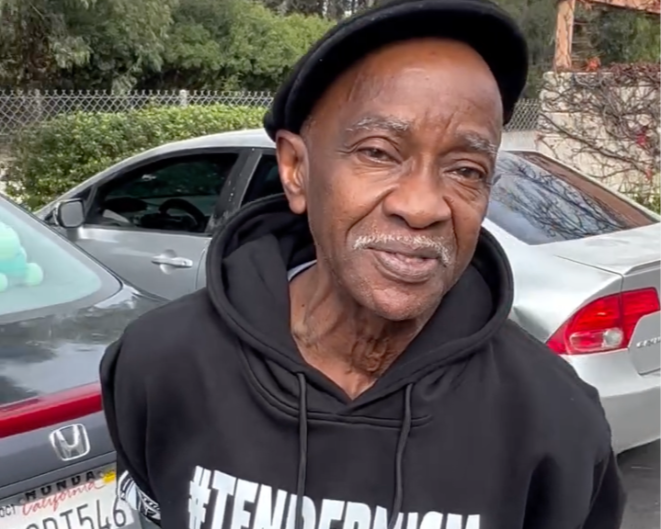
Over the past several months, the internet has rallied behind Walter Johnson, better known online as “Mr. Tendernism.”
Johnson rose to viral fame through videos filmed at Destination Smokehouse, a barbecue restaurant in Marietta, California. In the clips, Johnson enthusiastically demonstrates the restaurant’s barbecue, often pulling apart ribs while declaring they have reached “Tendernism.”
According to Johnson, Tendernism refers to meat so tender you don’t even need teeth to eat it.
The videos quickly spread across TikTok, Instagram, and YouTube. As they did, the phrase “Tendernism” became inseparable from Johnson himself.
But as the phrase went viral, something else happened.
Multiple trademark applications for TENDERNISM were filed with the United States Patent and Trademark Office (USPTO) and a battle for ownership of the mark began.
Recently, many people online have been celebrating what they believe is a major victory for Johnson after reports surfaced that an attorney who filed an earlier trademark application assigned that application to him.
But, just as it seemed like the Tendernism trademark dispute might be settling down, new developments suggest the story may be far from over.
A Potential Roadblock: The Intent-to-Use Assignment Issue
As the internet has celebrated Johnson’s “win,” one key point of trademark law has gotten overlooked. The application that was reportedly assigned to Johnson was filed as an intent-to-use trademark application.
Intent-to-use applications allow someone to reserve a filing date for a mark they intend to use in the future.
But they come with an important limitation.
Under U.S. trademark law, an intent-to-use application cannot be assigned to another party before the applicant files a Statement of Use, unless the transfer occurs as part of the sale of the underlying business associated with the mark.
The rule exists for a reason.
Trademark law does not allow people to simply “park” on trademarks the way people often park on popular domain names waiting until someone comes along willing to pay a pretty penny to own it.
Applicants must have a legitimate intention to use the mark they’ve applied for, and the law restricts transfers to prevent people from filing applications solely to hold the mark for someone else or to force someone who actually wants to use it to buy it off of them.
That rule raises an interesting question in this situation.
We know the original applications were filed by attorney Kenneth L. Harris. It appears that Harris has reportedly agreed to assign to Walter Johnson.
What remains unclear is why the applications were filed in Harris’s name in the first place.
If Harris intended to develop or use the TENDERNISM brand himself, that would be consistent with how intent-to-use applications are designed to work.
But if the applications were filed solely to hold the mark for Johnson until it could be transferred, as some reports have implied , that could potentially raise issues under the rules governing intent-to-use applications.
Without knowing the details of the arrangement, it is impossible to draw conclusions.
But it does illustrate another important truth about trademarks:
Applications alone do not determine ownership, and the path from filing to enforceable trademark rights is rarely as simple as it appears online.
New Trademark Filings Enter the Picture
While the assignment news spread online, three additional trademark filings quietly appeared at the United States Patent and Trademark Office.
On February 22, 2026, an application for MR TENDERNISM was filed by Connie Simmons of Jonesboro, Georgia covering business consulting and intellectual property licensing services.
Then, on March 8, 2026, two additional applications were filed by TreImage LLC, a branding and licensing consultancy based in Long Beach, California.
Those filings include:
TENDERNISM covering grills, barbecue equipment, and various meat and food products.
MR. TENDERNISM covering seasonings, sauces, and barbecue rubs.
All three of these filings were submitted on an intent-to-use basis and are currently awaiting examination.
Little is known of Connie Simmons.
TreImage is a marketing and licensing consultancy that has reportedly worked with well-known figures such as Soulja Boy, Ray Lewis, Royalty Brown, Warren G, Master P, and Ja Rule.
Perhaps Mr. Tendernism has now joined their roster.
Or…perhaps not.
At this stage, it is not clear whether Connie Simmons or TreImage LLC have any connection to Walter Johnson.
But even if these filings were made with Johnson’s involvement, the approach is quite curious.
None of the new applications list Johnson himself as the owner.
A detail that matters more than you think.
Trademark ownership must reflect who actually controls the brand in the marketplace. Identifying the correct owner at the time of filing is critical, because listing the wrong owner can weaken the application, create enforcement problems, and in some cases jeopardize the validity of the trademark altogether.
If the goal is for Walter Johnson to build and control the Tendernism brand, you would expect to see Johnson listed as the applicant.
Instead, the current filings list third parties as the owners, which could allude to issues down the road about who actually controls the brand and the validity of the pending applications.
There is also another wrinkle.
Because these applications were filed on an intent-to-use basis, the listed applicants must have a bona fide intent to use the mark in commerce themselves. If the applications were filed by third parties primarily to hold the mark for someone else, they could face some of the same complications that appear to be arising with the earlier Kenneth Harris application.
Whether these filings reflect a coordinated strategy involving Walter Johnson or the emergence of additional competition seeking their own stake in the mark remains to be seen.
Either way, it appears the Tendernism trademark saga may still have several chapters left to play out.
Destination Smokehouse: A Lesson in the Power of Public Opinion
While the legal questions surrounding the Tendernism trademark continue to evolve, Destination Smokehouse, one of the original parties involved in the dispute and the strongest challenger to Johnson’s rights, appears to have thrown in the towel after its public falling out with Johnson.
In applications filed in December 2025 and January 2026, Destination Smokehouse claimed it owned the trademark based on first use in April 2024.
Following a wave of backlash that erupted online, the phrase “Tendernism” appears to have largely disappeared from the restaurant’s public-facing materials. The term no longer appears on the restaurant’s website, and recent social media posts do not appear to prominently feature the phrase that once helped propel the restaurant to viral fame.
The fallout has reportedly been significant. The restaurant has lost hundreds of thousands of followers across social media platforms, and online reports suggest that customer traffic at its locations has dropped sharply as calls for boycotts spread across TikTok and other platforms.
And that highlights on of the most important lessons from the Tendernism dispute.
Sometimes the most important trademark question is not:
“Who can win the legal fight?”
But rather:
“What happens to the brand if you do?”
Trademarks exist at the intersection of law, branding, and public perception.
Here, while the company’s applications remain pending with the USPTO, in the court of public opinion, the verdict is already in.
To millions of viewers online:
Tendernism is Walter Johnson.
The phrase is inseparable from the personality who made it famous.
And that reality should serve as a warning to anyone else considering staking a claim to the mark.
Because even if the law might offer a path to claim the rights, the public has already decided who truly owns the brand, and they’re firmly in his corner.
TL;DR
The viral “Tendernism” phrase made famous by barbecue pitmaster Walter “Mr. Tendernism” Johnson has sparked a growing trademark battle. While many online believe Johnson now owns the mark after an application was reportedly assigned to him, the situation is more complicated. Questions about intent-to-use trademark assignments, new trademark filings by other parties, and the public backlash against Destination Smokehouse suggest the Tendernism trademark saga may still have several chapters left to play out.
Share this article on:
DISCLAIMER: Information on this site is provided for informational purposes only and does not constitute legal advice. No attorney–client relationship is formed unless and until a written retainer agreement is executed. The views and opinions expressed by Randi Leath in this blog are her own. This blog is not affiliated with, endorsed by, or sponsored by Chartwell. See full disclaimer




7 Non-Traditional Trademarks You May Already Be Using
Trademarks aren’t just words and logos. Sounds, colors, product design, packaging, and even scent can function as powerful source identifiers. This post explores seven non-traditional trademarks you may already be using.
Published: February 14, 2026
Photo by All-Pro Reels, CC BY-SA 2.0
Matthew McConaughey has been busy at the U.S. Patent and Trademark Office recently, securing eight trademark registrations covering aspects of his voice, delivery, and related brand elements, including a sound mark for audio of McConaughey saying his iconic “Alright, alright, alright” line from Dazed and Confused.
Through these registrations McConaughey is attempting to utilize the lesser known sound mark protections under trademark law to help curb unauthorized AI use of his voice and likeness.
If you were surprised to learn that a sound can be trademarked at all, you are not alone.
When most people think of trademarks, they think of names and logos, but those are only the beginning. Sound marks, like the one registered by McConaughey, are just one example of a much larger group of non-traditional trademarks that businesses use every day, often without realizing the role those elements can play in protecting and strengthening their brands.
Today, we’re going to explore seven types of non-traditional trademarks you may already be using, without even realizing it.
You may be surprised by how much of your brand is already doing trademark work for you.
What is a Trademark — Really?
At their simplest, trademarks are source identifiers. They are anything that helps consumers connect the products or services they are buying with their source and distinguish one brand from another.
Names and logos do a lot of that work, but trademark law allows brands to signal who they are in many other ways as well.
Below are several common types of non-traditional trademarks you may already be using, and could be leveraging as valuable brand assets.
1. Sound Marks
Sound marks protect distinctive sounds that identify a brand as the source of goods or services.
Familiar examples include:
Netflix: the short “ta-dum” sound that plays before its content
NBC: the iconic three-note chime (often referred to as the “NBC chimes”)
If customers recognize your business by sound alone—before seeing a name or logo—you may already be using a sound mark.
In practice, these marks often require consistent and repeated use so consumers come to associate the sound with a single source
2. Motion Marks
Motion marks protect distinctive movement or animation that functions as a source identifier.
A well-known example:
Disney’s revamped animated opening sequence featuring Cinderella’s Castle that appears before Disney films. Registered 2023. US Registration Number: 6,957,379.
Motion marks can also include:
Animated logo reveals
App loading screens
Repeated transitions used across digital content
If a viewer could recognize your brand based on a specific movement or animation alone, even before seeing your name or logo, that motion may be functioning as a trademark. As with other non-traditional marks, consistency is key. The motion must act as a brand signal, not mere decoration.
3. Trade Dress
Traditionally, trade dress has covered the packaging or “dressing” of a product, including the commercial environment in which the product or service is sold. It protects the total image and overall appearance of a product or service, which may include features such as size, shape, color or color combinations, texture, graphics, and other visual elements working together.
The layout of a restaurant, the design of product packaging, a consistent store aesthetic, or a signature color scheme used together can all contribute to trade dress. It is about the total commercial impression created by those elements working together.
Well-known examples include:

In-N-Out Burger
The distinctive interior restaurant design featuring white sectional walls with horizontal red stripes, glass panels above the dividers, red chairs and booth upholstery, white countertops and tabletops, red and white tile around the ordering area, and a silver counter — all working together to create a recognizable dining environment.
US Registration Number: 4,839,216

Shell
The yellow canopy with a red stripe along the bottom and the word “Shell” displayed in red on the canopy, creating a recognizable gas station presentation associated with the brand.
US Registration Number: 2,985,351
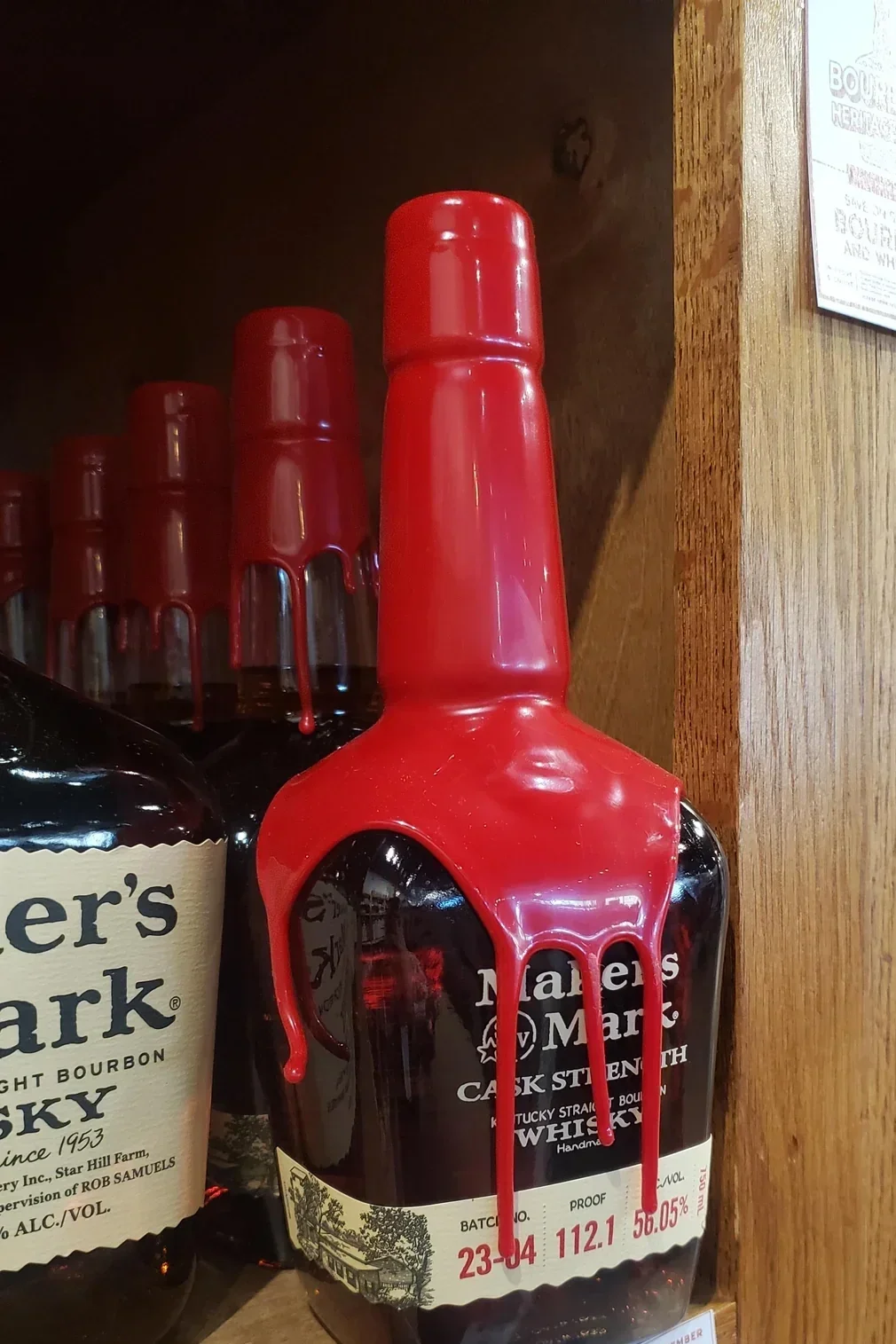
Maker’s Mark
The distinctive red wax-like coating that covers the cap of the bottle and trickles down the neck in a freeform, irregular pattern, first registered in 1985 and later expanded in a subsequent registration in 2021 to protect wax extending further down the body of the bottle as its heavily wax-dipped "slam dunk" bottles gained popularity among collectors and developed a robust secondary market.
US Registration Numbers: 1,469,925; 6,318,596
Over time, trade dress protection has expanded beyond traditional packaging and commercial environments to cover certain non-functional elements of the product itself, including some of the categories discussed below, such as configuration, color, and scent marks.
In fact, almost anything can function as trade dress if it’s non-functional and its overall presentation becomes so uniquely tied to a brand in consumers’ minds that they immediately recognize the source of the goods or services.
4. Color Marks
Color marks are a form of trade dress that protect specific colors (or color combinations) used consistently in connection with particular goods or services.
For goods, a color mark may appear on the entire surface of the product, on a distinct portion of the product, or on all or part of its packaging. For services, color may be used on signage, uniforms, advertising materials, or other materials used in rendering and promoting the services.
Recognizable examples include:
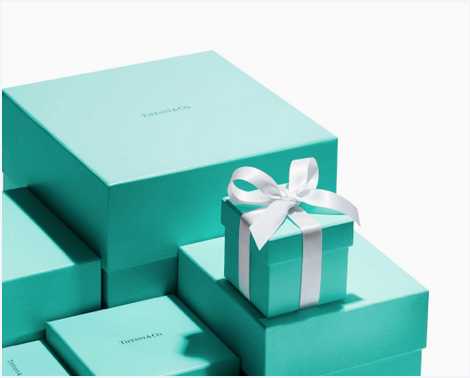
Tiffany & Co. — Tiffany Blue
(Pantone 1837 Blue)
Tiffany Blue has been protected as a registered color trademark since 1998 and was later formalized as a custom Pantone shade, 1837 Blue, created exclusively for Tiffany.
US Registration Number: 2,416,794

UPS — Pullman Brown
(Pantone 462C)
UPS first registered the color brown in 1998 for use on its trucks. In 2004, it obtained an additional registration for the specific shade of chocolate brown, Pantone 462 (aka “Pullman Brown”), for use on vehicles and uniforms.
US Registration Numbers: 2,131,693; 2,901,090
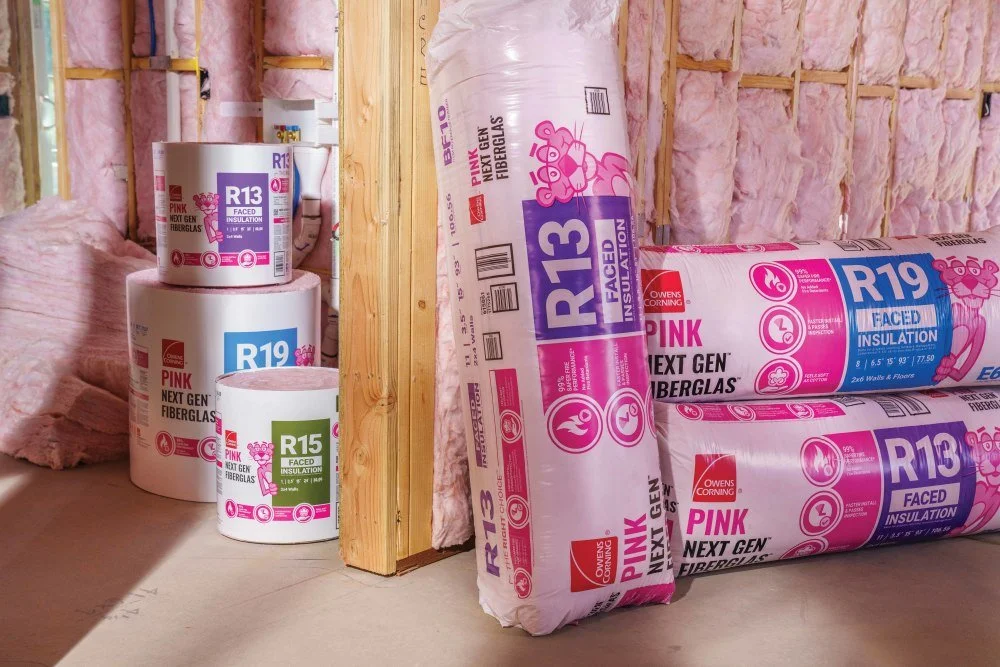
Owens Corning — Pink
Registered in 1987, Owens Corning Pink was the first single-color trademark registered with the USPTO. The company has since expanded its portfolio of color mark registrations to cover use of the color across a variety of building and insulation products, including its well-known insulation materials.
Original 1987 US Registration
Number: 1,439,132,
There’s no doubt that color alone can serve as a powerful source identifier. Because color is often used decoratively or functionally, these marks can be trickier to claim. Successful color marks typically require strong evidence of consistent use in a specific non-functional context over a period of time long enough for consumers to associate the color as an indicator of the source of the goods .
5. Configuration Marks
Configuration marks are a form of trade dress that protect the distinctive overall design of a product itself, which can include its shape, contours, and other three-dimensional design features that together function as a source identifier.
Classic examples include:
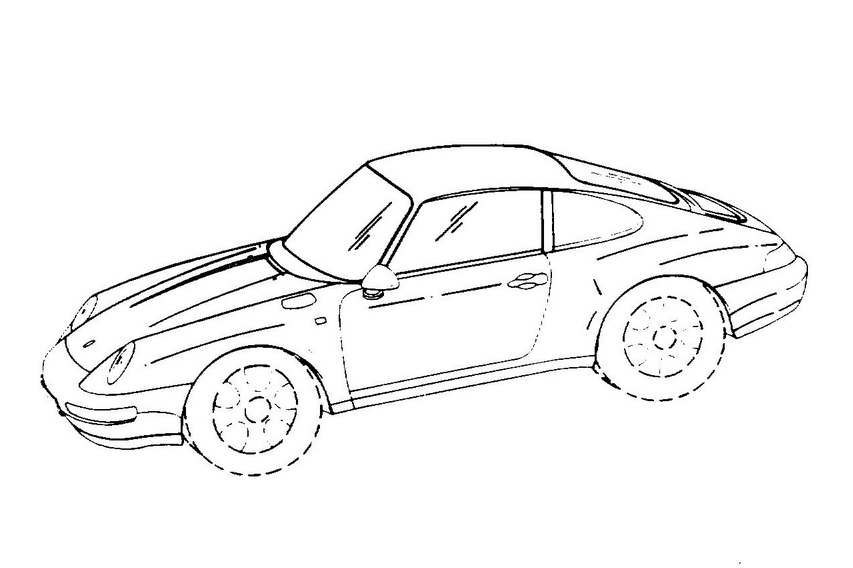
Porsch 911 Configuration
Porsche holds two configuration trademark registrations protecting the distinctive silhouette and body design of the Porsche 911, a shape made recognizable through decades of consistent use. The first registration, issued in 2004, covers the 993 generation. A second, issued in 2024, takes a broader approach, intending to protect the 911’s configuration across all future generations.
US Registration Numbers: 2,655,378; 7,603,348,
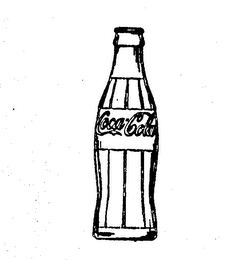
Coca-Cola Drinkware
Coca-Cola holds configuration trademark registrations for various drinkware designs that are recognizable even without labels or logos. Most notably is its distinctive contour bottle shape, originally introduced in 1916 and registered in 1960. The company has continued to protect the three-dimensional shape of its bottles and related packaging as source-identifying product configurations.
Original Coke Bottle US Registration Number: 696,147
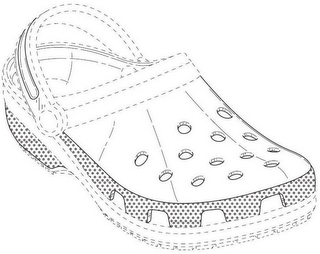
Crocs Shoe Design
Crocs holds configuration registrations covering specific design elements of its foam clogs, including the distinctive pattern of round ventilation holes on the upper, textured side panels with trapezoidal openings, and additional heel and strap detailing. These non-functional design features work together to create a recognizable product configuration associated with the Crocs brand, a distinctive design many consumers love and many love to hate.
US Registration Numbers: 5,273,875; 5,149,328
Configuration marks can be tricky to identify. The challenge is often distinguishing between design elements that identify source and those that serve a functional purpose. Trade dress protection is not available for features that are functional, meaning they affect the product’s performance, cost, or quality. Even partial functionality can limit or defeat a configuration claim, so the focus must be on elements that exist to signal brand, not utility.
If a customer could recognize your brand based on the overall design of your product alone, and that design solely exists to distinguish your product rather than serve a practical/functional purpose, you may have a configuration mark on your hands.
> Practical Tip:
If your product design provides a competitive advantage because of how it works, trademark protection may not be available. In those cases, patent protection may be worth exploring with a patent attorney.
6. Scent Marks
Scent marks are also treated as a type of trade dress. They protect distinctive, non-functional scents that identify a brand.
Notable examples include:
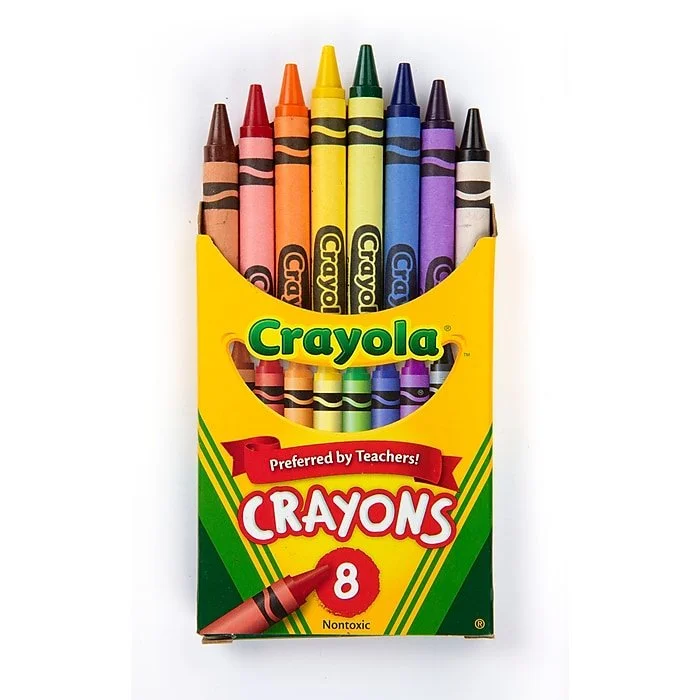
Crayola Crayons
The distinctive scent of its crayons, "a scent reminiscent of a slightly earthy soap with pungent, leather-like clay undertones."
US Registration Number: 7,431,203
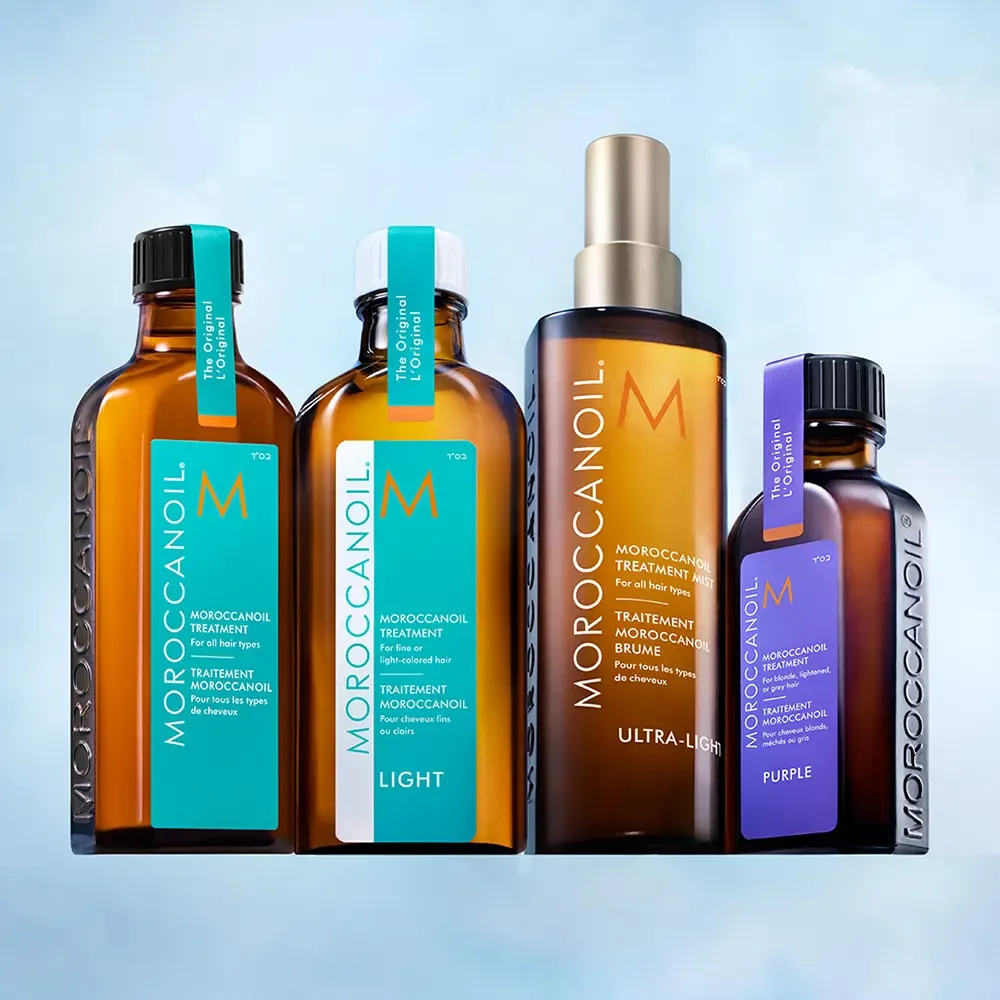
Moroccanoil
The signature fragrance used across its hair care products, "a high impact fragrance primarily consisting of musk, vanilla, rose, and lavender."
US Registration Number: 4,057,947
Scent marks are rare and closely scrutinized, but they demonstrate how sensory elements can function as trademarks. Because scents are never considered inherently distinctive, successful registration requires substantial evidence of acquired distinctiveness showing that consumers associate the scent with a single source. To qualify, the scent must also be non-functional and not essential to the product’s use or purpose.
7. Hologram Marks
Hologram marks protect distinctive holographic images used consistently to identify source. These marks are commonly used to signal authenticity and combat counterfeiting.
Examples include:
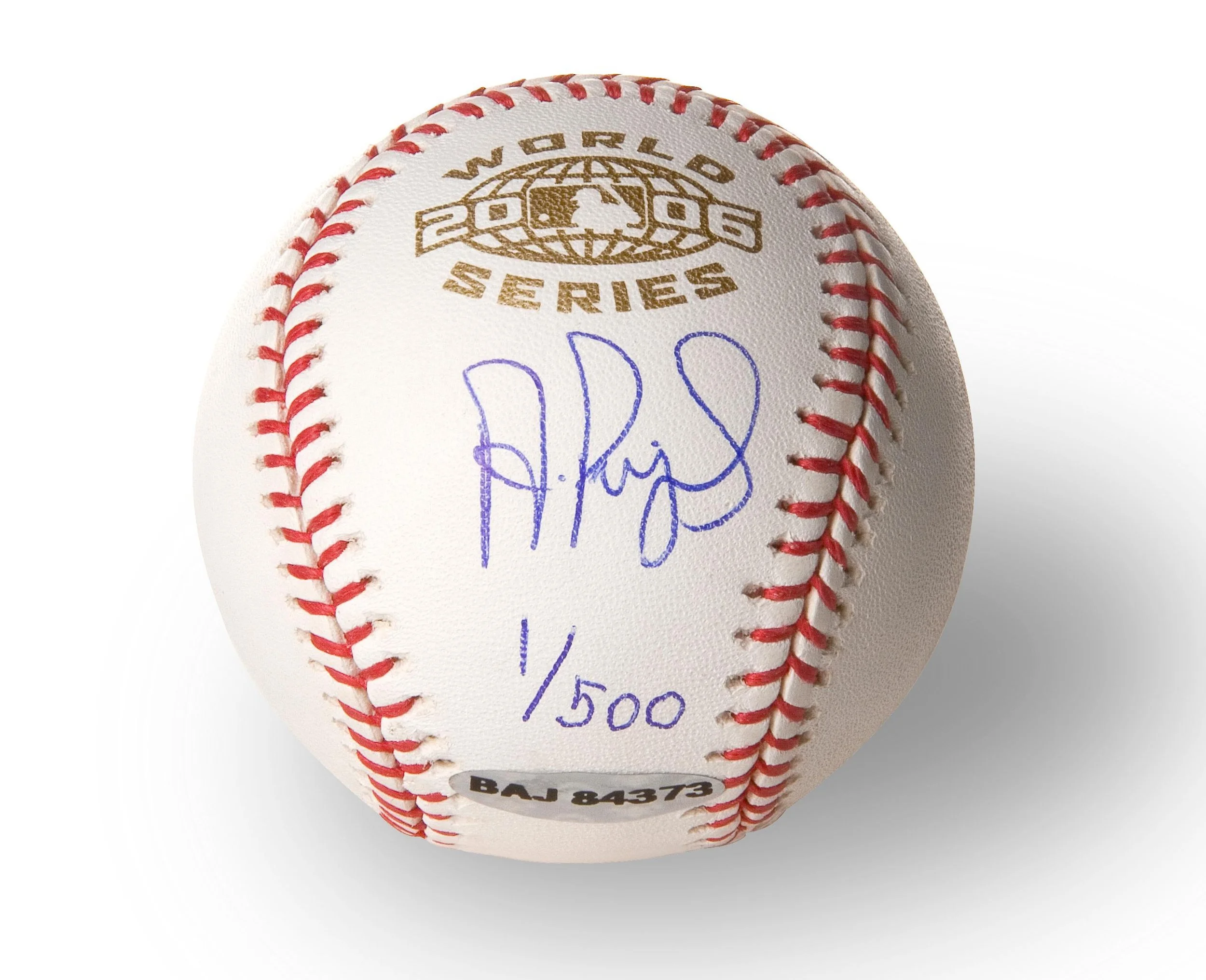
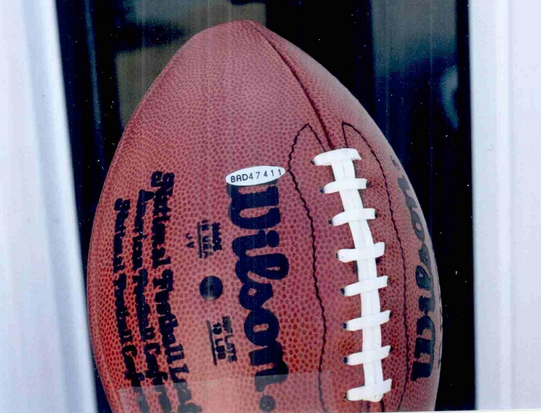
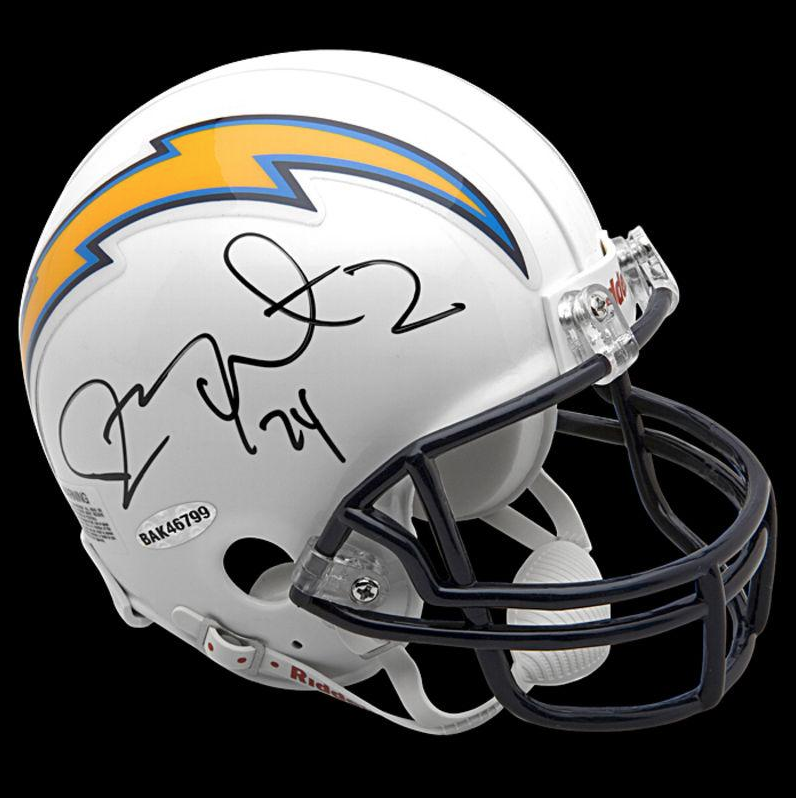
Upper Deck
The oval hologram authentication seal used on collectible trading cards & memorabilia
US Registration Number: 2,619,227
American Express
The square holographic image that appears on its credit cards, used as a consistent security and brand-identifying feature.
US Registration Number: 3,045,251
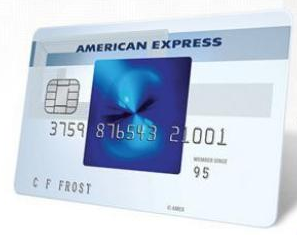
To function as trademarks, holograms must be used consistently and as a source identifier, not merely as variable security features.
Final Thoughts
If reading through these examples made you start mentally checking off elements of your own brand, you’re not alone. Many businesses are already using non-traditional trademarks without realizing it.
The brands that take the time to recognize and protect those assets early are often the ones best positioned to defend, expand, and leverage them over time.
Sometimes the most valuable intellectual property isn’t something you create next. It’s something you’ve been using all along.
TL;DR
Trademarks are not limited to names and logos. At their core, they are source identifiers — anything that helps consumers connect goods or services to a particular brand. Sounds, motion, packaging, product design, color, scent, and even holograms can all function as trademarks when used consistently and in a way that signals source. Trade dress protects the overall look and feel of a brand and has expanded over time to include certain non-functional elements of the product itself. The takeaway: you may already be using non-traditional trademarks without realizing it.
Share this article on:
DISCLAIMER: Information on this site is provided for informational purposes only and does not constitute legal advice. No attorney–client relationship is formed unless and until a written retainer agreement is executed. The views and opinions expressed by Randi Leath in this blog are her own. This blog is not affiliated with, endorsed by, or sponsored by Chartwell. See full disclaimer
How to Choose a Powerful Brand Name
Crafting a powerful and legally defensible brand name is a critical step in building a successful brand. From understanding brand pillars and brainstorming techniques to vetting finalists and protecting your chosen name, this guide provides actionable insights and expert strategies. Learn how to create a brand name that resonates with your audience, stands the test of time, and can be legally protected.
Published: July 13, 2023

Selecting a brand name is a pivotal moment in the branding process that can greatly impact your business's success. A well-crafted brand name not only captures the essence of your brand but also resonates with your target audience and distinguishes you from competitors. However, the journey to finding the perfect brand name is not without its challenges. It requires a thoughtful approach that considers various factors, including trademarkability, audience resonance, and long-term viability.
In this blog post, we will explore the essential elements of a strong brand name and provide you with a step-by-step process to help you find the perfect name for your brand. Whether you're an aspiring entrepreneur, a seasoned business owner, or a creative professional, this guide will equip you with the knowledge and strategies to choose a powerful brand name that not only stands out in the crowded marketplace but also offers strong legal protection.
What makes a good brand name?
When it comes to choosing a brand name, there's more to it than meets the eye. A good brand name is not just a random assortment of words; it's a strategic asset that can make or break your marketing efforts. It's the first impression customers have of your brand, and it sets the tone for their overall experience.
A good brand name is an integral part of your overall branding strategy. It should align with your brand's identity, resonate with your target audience, and create a strong foundation for building brand recognition and loyalty. While there are no hard and fast rules, here are some common traits of powerful brands:
Meaningful: It has a clear connection to your business, products, or services. It should evoke positive associations, reflect your brand's values, and communicate a message that resonates with your target audience.
Distinctive: A distinctive brand name sets you apart from competitors and makes your business easily recognizable. It should be unique, memorable, and not easily confused with existing brands or common terms in your industry.
Accessible: An accessible brand name is easy to pronounce, spell, and remember. It should be user-friendly and not create confusion or barriers for potential customers. Avoid complex or overly long names that can be challenging to communicate and may lead to misspellings or mispronunciations.
Future-proof: It should have longevity and withstand the test of time. Consider the long-term viability of your chosen name by envisioning how it might evolve alongside your business. Opt for a name that can scale with your business, accommodating new products, services, and market opportunities.
Visual: Think from a graphic design perspective. A brand name should lend itself well to visual representation and be visually appealing. Consider how the name will look in your logo, website, and other marketing materials. A visually harmonious name can enhance the overall aesthetics and recognition of your brand.
Protectable: One of the most critical aspects of a good brand name is its protectability. A protectable name is one you can”own” both legally and practically. You can trademark it, get the domain and social media handles, and freely use it.
Ultimately, while all these considerations are important, a good brand name is one that resonates with your customers. It should evoke positive emotions, capture their attention, and create a memorable impression. A powerful brand name though, is not only memorable, its protectable.
What makes a brand name protectable?
In the world of trademarks, brand names are categorized along a spectrum of distinctiveness. The stronger the brand name, the more protectable it is. Let's explore the different categories:
Generic: Generic terms are common words that describe the product or service itself, such as "Computer" for a computer company. Generic terms are not protectable as trademarks because they cannot be exclusively associated with a particular brand.
Descriptive: Descriptive terms directly describe a product or service, such as "Soft and Cozy" for a blanket brand. While descriptive terms are not inherently distinctive, they can acquire distinctiveness over time through extensive use and recognition in the marketplace.
Suggestive: Suggestive brand names suggest or hint at the qualities or characteristics of a product or service without directly describing it. For example, "Netflix" suggests a network of flicks, indicating a streaming service for movies. Suggestive names are inherently distinctive and provide more protection.
Fanciful: Fanciful brand names are completely made-up words or terms that have no prior meaning or association, such as "Google." Fanciful names offer the highest level of distinctiveness and protection since they are unique and highly memorable.
Arbitrary: Arbitrary brand names are existing words or terms that are unrelated to the product or service they represent. An example is "Apple" for a computer company. Arbitrary names are distinctive and offer strong trademark protection.
Coined: Coined brand names are created by combining or altering existing words or terms, such as "Verizon." Coined names are unique and memorable, providing a high level of distinctiveness and protection.
Striking the right balance
When brainstorming a brand name, it's essential to strike a balance between trademark considerations and branding objectives. Many marketing teams tend to prefer generic and descriptive names as they make their jobs easier from a marketing perspective.
Those of us experienced with trademarks, however, understand that fanciful, arbitrary and coined names, while requiring more effort upfront to establish brand recognition and association, also offer businesses the strongest protection. By their nature, these types of names are inherently distinctive and unlikely to be confused with existing trademarks.
Suggestive names provide a middle ground, offering a balance between trademark strength and branding potential. They provide a hint or suggestion about your products or services, allowing consumers to make a connection while still requiring some mental engagement.Suggestive names are often memorable, evocative, and open to creative branding strategies.
By focusing on suggestive, arbitrary, fanciful and coined names during your brainstorming process, you increase the likelihood of creating a strong and protectable brand name while maintaining branding flexibility and creativity.
How to find the right brand name?
Step 1: Understand your brand pillars
Before diving into brainstorming potential brand names, it's essential to have a clear understanding of your brand's pillars. These pillars consist of four key aspects: purpose, personality, perception, and promotion. Defining these pillars will provide a solid foundation and strategic direction for selecting a brand name that aligns with your brand identity. Let's explore each of these pillars in more detail:
Purpose: Why does your business exist beyond making money? What drives you to do what you do as a business?
Positioning: The distinct space your brand occupies in the minds of your target audience relative to competitors, based on your unique value and benefits.
Personality: The unique traits, emotions, and characteristics that define your brand and resonate with your target audience. Is it playful and energetic, sophisticated and luxurious, or reliable and trustworthy?
Perception: How your brand is perceived by your customers, including its image, reputation, and associations - both positive and negative.
Promotion: All the ways you introduce, engage, entice, and motivate customers to connect with your brand and choose your offerings over others.
Take the time to articulate and document your brand pillars before moving forward with brainstorming potential brand names. If you haven't developed your brand pillars yet or need further guidance in defining them, check out this article by branding agency Ignyte. This step will help you maintain focus, consistency, and strategic alignment throughout the naming process.
Step 2: Brainstorm
Now for the fun (and sometimes challenging) part. To kick-off an efficient and effective brainstorm session, follow this five-step process inspired by brand consultant, Emily Heyward:
Assemble Your Team: Gather a diverse group of individuals representing different perspectives and expertise within your organization.
Let Loose: Encourage creativity by creating an open and non-judgmental environment. Encourage participants to think freely and share ideas without limitations. Try starting with a few word association exercises to get the creative juices flowing.
Generate a Round of Ideas: Begin by writing down adjectives that describe your product or service. Then, consider the feelings you want customers to associate with your brand. Perform free associations of words related to your product or service. Finally, explore different categories of brand names, such as founder, descriptive, fabricated, metaphorical, acronym, and magic spell names.
Push Yourselves to Do Another Round: After the initial brainstorming, challenge your team to think beyond the obvious choices. Push for new and innovative ideas that align with your brand pillars. Remember, the strongest names are those that are suggestive, arbitrary, fanciful or coined so really challenge yourselves here to think outside the box.
Share and Build: Share the generated list of names with your team, Engage in constructive discussions, combining and refining ideas to create stronger and more unique possibilities. This collaborative approach can lead to stronger and more creative brand name options.
If you find yourself stuck or need additional inspiration, there are online tools available that can generate brand name suggestions based on your inputs.
Step 3: Narrow Down Your List
After your brainstorming session, you should have quite a few ideas written down. Many will probably be hilariously terrible, but hopefully a few diamonds will be on the list too. To find the few hidden gems, Heyward suggests having your team vote for their top three favorites and then ending the meeting.
Over the next few weeks, she advises the team to sort through every name the group came up with (yes even the bad ones). Consider using the SCRATCH principle to help you evaluate. Set aside names that are:
Spelling-challenged
A Copycat
Restrictive
Annoying
Too Tame
Cursed by jargon
Or Hard to pronounce
After filtering out weaker contenders, write down your favorites on individual sheets of paper to evaluate them. These may or may not be the same ones you chose at the end of the meeting. They may even be ones that you thought of since your brainstorming session. Everything’s fair game here.
Once you’ve narrowed the list down to 10-15 good names, take some time to run them through a preliminary trademark knockout search. Eliminate any ideas that are already in use or too similar to existing trademarks to avoid legal conflicts and confusion in the marketplace.
By this point you should have 3-5 strong contenders left, unless your team is a group of creative geniuses and all of the names survived knockout. If that’s the case, work with your team to narrow the list down further until you have your final favorites.
Step 4: Vet the Finalists
Even though your finalists have survived preliminary elimination, it is still important to work with a legal expert to help you fully vet them. They can conduct a comprehensive trademark search to ensure your chosen names don't infringe on existing trademarks. This protects your brand and avoids costly legal issues.
Additionally, a trademark expert can provide insights on the protectability of your names and help you avoid the need for rebranding in the future. Their expertise ensures you make informed decisions and sets a strong foundation for a powerful brand name. This step can be a bit time consuming, but it will be worth it in the long run.
There’s nothing worse than falling in love with a name only to find out it's not available after the entire team has bought in.
Step 5: Test the Final 3-5 Names with Potential Consumers
Finally, before making the ultimate decision, it's crucial to test the final few brand name choices with your target audience. Seek feedback and evaluate their perceptions, associations, and preferences. This step helps you ensure that your chosen brand name resonates with your intended market.
Here are three simple and easy testing ideas you can use:
Online Surveys: Create an online survey using online platforms like Google Forms or SurveyMonkey. Present the potential brand names to your target audience by sharing the survey with your customers. Ask participants to rate each name based on factors like memorability, relevance, and overall appeal. You can also include open-ended questions to gather qualitative feedback.
Social Media Polls: Leverage social media platforms like Facebook, Instagram, or Twitter to conduct polls. Post each potential brand name as a separate option and ask your followers to vote for their favorite. This approach not only collects valuable feedback but also helps generate buzz and engagement around your brand.
A/B Testing: Create a logo for each of the names. Build two versions of your website with each version featuring a different brand name/logo. Promote the pages using a target Facebook ad for a week. Analyze metrics like click-through rates, bounce rates, and conversion rates to determine which name resonates better with your audience.
Once you’ve completed your tests, you should have a pretty good idea which name to run with; remember, the best names are those your audience resonates with, so trust them.
How to Protect Your New Brand Name
Once you've gone through the process of selecting a brand name, it's crucial to take steps to protect it. Here's what you need to do to safeguard your brand:
Trademark Registration: Work with a trademark attorney to register your brand name as a trademark. This provides legal protection and exclusive rights to use the name in your industry. It prevents others from using a similar name that could cause confusion among consumers.
Domain and Social Media Handles: Secure the domain name that matches your brand name and register the relevant social media handles. This ensures consistency across online platforms and prevents others from using your brand name in digital spaces.
Monitor and Enforce: Regularly monitor the marketplace for any unauthorized use or infringement of your brand name. Act promptly to address any potential infringements to protect your rights and maintain the distinctiveness of your brand.
Brand Guidelines: Establish clear brand guidelines that outline how your brand name should be used, including its appearance, color, typography, and any variations or restrictions. Consistent use of the brand name helps build recognition and strengthens its protection.
Contractual Protections: Incorporate provisions related to the use and protection of your brand name in contracts with suppliers, distributors, and partners. This ensures that others respect and uphold the integrity of your brand name.
By taking these proactive steps to protect your brand name, you establish a solid foundation for long-term brand success. It safeguards your investment in building brand equity and ensures that your brand name remains a valuable asset in the marketplace.
Final Thoughts
Remember, your brand name is an asset worth safeguarding, so invest the time and effort necessary to select a brand name that reflects your brand's essence, leaves a lasting impression and is protectable. With these steps, you can confidently move forward in the branding process, armed with the knowledge and strategies to choose a powerful and protectable brand name that resonates with your audience. Remember, a strong brand name is the beginning of a successful brand identity, so invest the time and effort necessary to make the right choice.
TL;DR
Choosing a brand name requires careful consideration. A good brand name is meaningful, distinctive, accessible, future-proof, visual, and protectable. Understand your brand pillars before brainstorming, assemble a diverse team, generate ideas, and assess candidates. Vet the finalists with a trademark expert, test them with your target audience, and protect your chosen name through trademark registration and vigilant monitoring. A strong brand name sets the tone for your brand identity, resonates with your audience, and establishes a solid foundation for long-term success. Seek professional trademark services to ensure legal compliance and safeguard your brand.
Share this article on:
DISCLAIMER: Information on this site is provided for informational purposes only and does not constitute legal advice. No attorney–client relationship is formed unless and until a written retainer agreement is executed. The views and opinions expressed by Randi Leath in this blog are her own. This blog is not affiliated with, endorsed by, or sponsored by Chartwell. See full disclaimer

First Use is written by Randi Leath, a trademark and intellectual property attorney who advises businesses, entrepreneurs, and creatives on on building, protecting, and using their brands.
Her practice focuses on trademarks, licensing, enforcement, and brand strategy, with an emphasis on providing practical, business-minded guidance tailored to each client’s goals.