

Trademark
& IP Blog
Practical insights on trademarks, licensing, enforcement, and brand strategy for growing businesses and creators.
Published by Randi Leath, Esq.
7 Non-Traditional Trademarks You May Already Be Using
Trademarks aren’t just words and logos. Sounds, colors, product design, packaging, and even scent can function as powerful source identifiers. This post explores seven non-traditional trademarks you may already be using.
Published: February 14, 2026
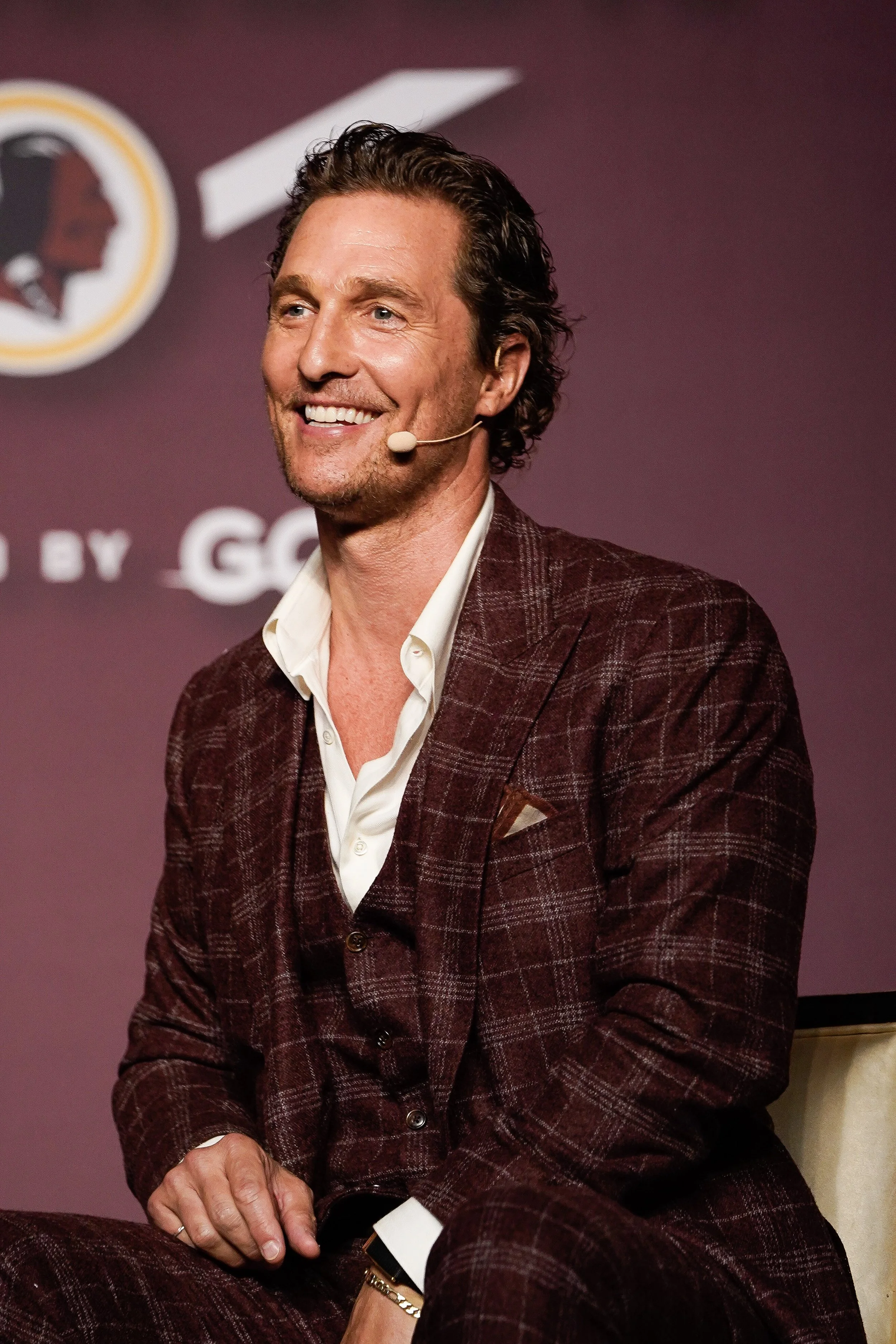
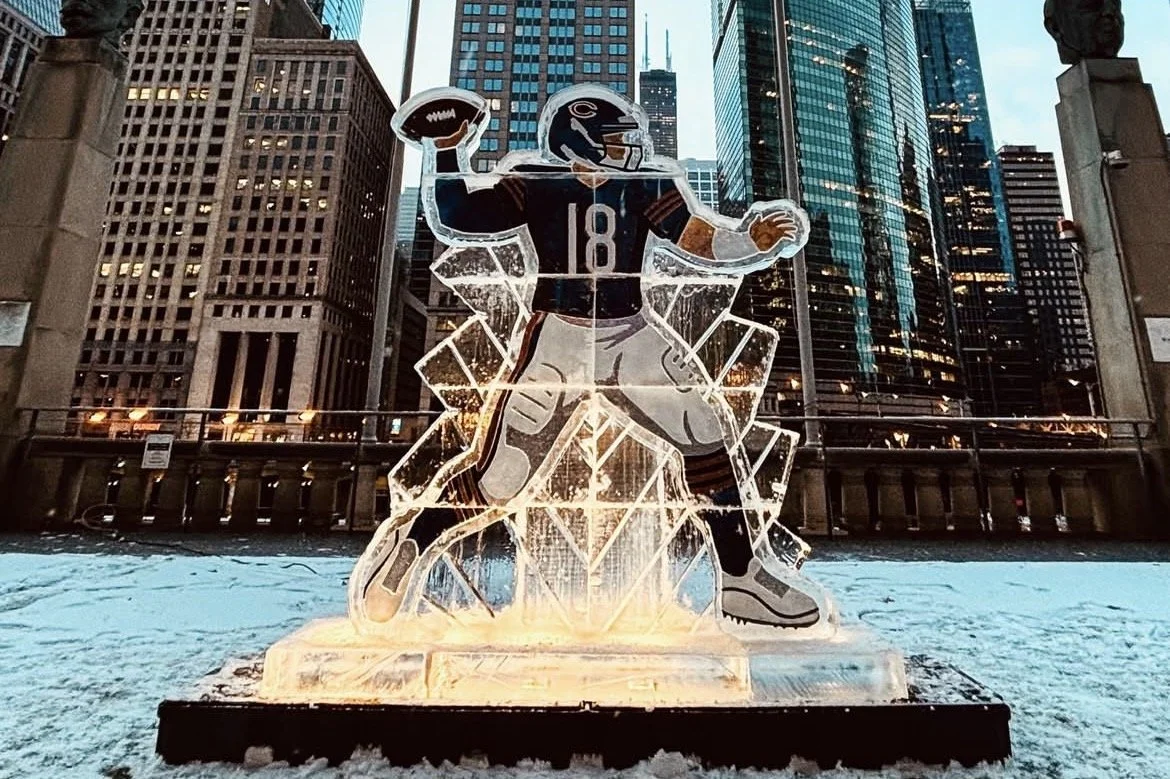
Photo by All-Pro Reels, CC BY-SA 2.0
Matthew McConaughey has been busy at the U.S. Patent and Trademark Office recently, securing eight trademark registrations covering aspects of his voice, delivery, and related brand elements, including a sound mark for audio of McConaughey saying his iconic “Alright, alright, alright” line from Dazed and Confused.
Through these registrations McConaughey is attempting to utilize the lesser known sound mark protections under trademark law to help curb unauthorized AI use of his voice and likeness.
If you were surprised to learn that a sound can be trademarked at all, you are not alone.
When most people think of trademarks, they think of names and logos, but those are only the beginning. Sound marks, like the one registered by McConaughey, are just one example of a much larger group of non-traditional trademarks that businesses use every day, often without realizing the role those elements can play in protecting and strengthening their brands.
Today, we’re going to explore seven types of non-traditional trademarks you may already be using, without even realizing it.
You may be surprised by how much of your brand is already doing trademark work for you.
What is a Trademark — Really?
At their simplest, trademarks are source identifiers. They are anything that helps consumers connect the products or services they are buying with their source and distinguish one brand from another.
Names and logos do a lot of that work, but trademark law allows brands to signal who they are in many other ways as well.
Below are several common types of non-traditional trademarks you may already be using, and could be leveraging as valuable brand assets.
1. Sound Marks
Sound marks protect distinctive sounds that identify a brand as the source of goods or services.
Familiar examples include:
Netflix: the short “ta-dum” sound that plays before its content
NBC: the iconic three-note chime (often referred to as the “NBC chimes”)
If customers recognize your business by sound alone—before seeing a name or logo—you may already be using a sound mark.
In practice, these marks often require consistent and repeated use so consumers come to associate the sound with a single source
2. Motion Marks
Motion marks protect distinctive movement or animation that functions as a source identifier.
A well-known example:
Disney’s revamped animated opening sequence featuring Cinderella’s Castle that appears before Disney films. Registered 2023. US Registration Number: 6,957,379.
Motion marks can also include:
Animated logo reveals
App loading screens
Repeated transitions used across digital content
If a viewer could recognize your brand based on a specific movement or animation alone, even before seeing your name or logo, that motion may be functioning as a trademark. As with other non-traditional marks, consistency is key. The motion must act as a brand signal, not mere decoration.
3. Trade Dress
Traditionally, trade dress has covered the packaging or “dressing” of a product, including the commercial environment in which the product or service is sold. It protects the total image and overall appearance of a product or service, which may include features such as size, shape, color or color combinations, texture, graphics, and other visual elements working together.
The layout of a restaurant, the design of product packaging, a consistent store aesthetic, or a signature color scheme used together can all contribute to trade dress. It is about the total commercial impression created by those elements working together.
Well-known examples include:

In-N-Out Burger
The distinctive interior restaurant design featuring white sectional walls with horizontal red stripes, glass panels above the dividers, red chairs and booth upholstery, white countertops and tabletops, red and white tile around the ordering area, and a silver counter — all working together to create a recognizable dining environment.
US Registration Number: 4,839,216

Shell
The yellow canopy with a red stripe along the bottom and the word “Shell” displayed in red on the canopy, creating a recognizable gas station presentation associated with the brand.
US Registration Number: 2,985,351
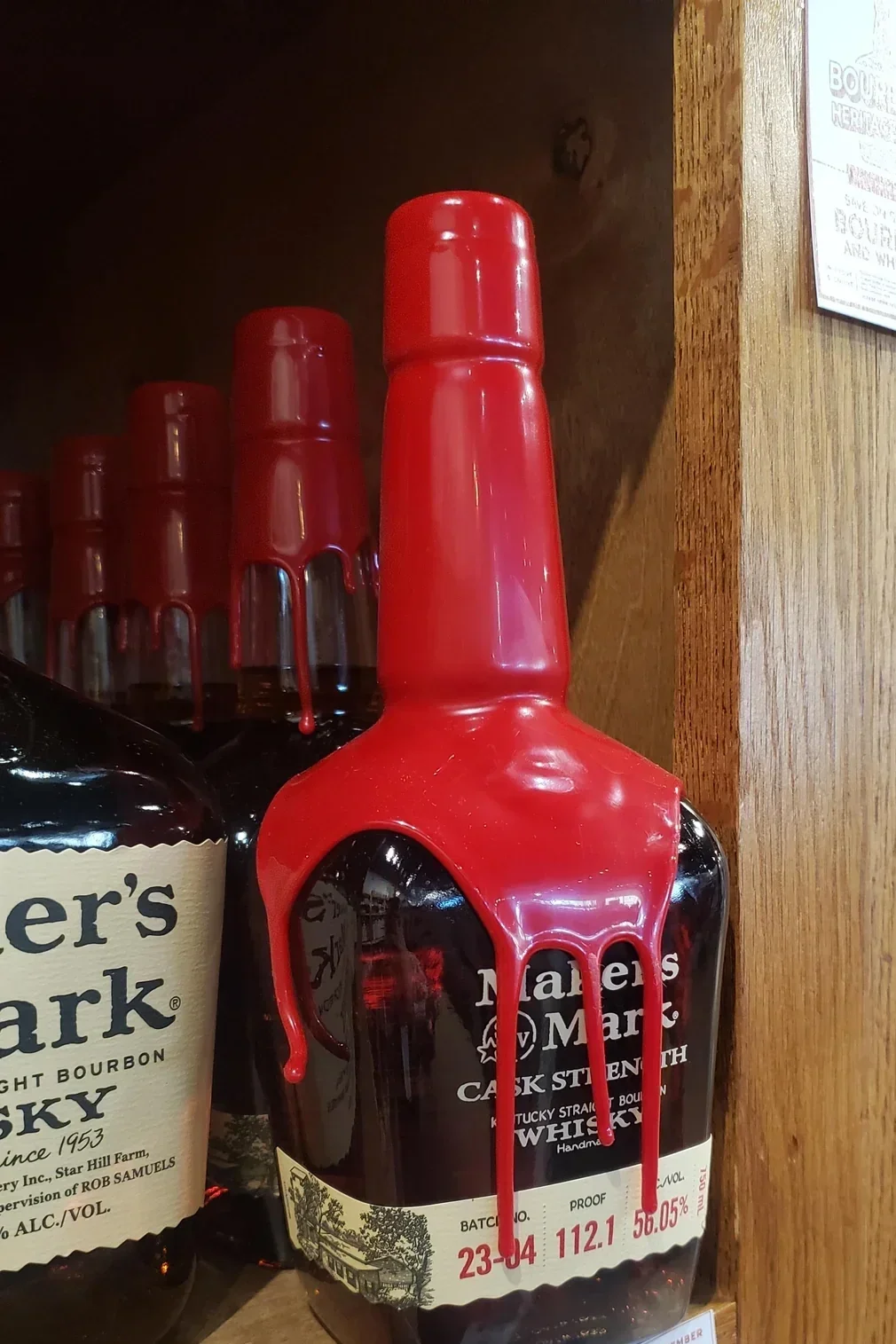
Maker’s Mark
The distinctive red wax-like coating that covers the cap of the bottle and trickles down the neck in a freeform, irregular pattern, first registered in 1985 and later expanded in a subsequent registration in 2021 to protect wax extending further down the body of the bottle as its heavily wax-dipped "slam dunk" bottles gained popularity among collectors and developed a robust secondary market.
US Registration Numbers: 1,469,925; 6,318,596
Over time, trade dress protection has expanded beyond traditional packaging and commercial environments to cover certain non-functional elements of the product itself, including some of the categories discussed below, such as configuration, color, and scent marks.
In fact, almost anything can function as trade dress if it’s non-functional and its overall presentation becomes so uniquely tied to a brand in consumers’ minds that they immediately recognize the source of the goods or services.
4. Color Marks
Color marks are a form of trade dress that protect specific colors (or color combinations) used consistently in connection with particular goods or services.
For goods, a color mark may appear on the entire surface of the product, on a distinct portion of the product, or on all or part of its packaging. For services, color may be used on signage, uniforms, advertising materials, or other materials used in rendering and promoting the services.
Recognizable examples include:
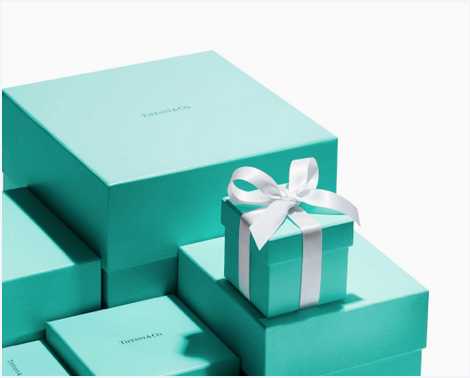
Tiffany & Co. — Tiffany Blue
(Pantone 1837 Blue)
Tiffany Blue has been protected as a registered color trademark since 1998 and was later formalized as a custom Pantone shade, 1837 Blue, created exclusively for Tiffany.
US Registration Number: 2,416,794

UPS — Pullman Brown
(Pantone 462C)
UPS first registered the color brown in 1998 for use on its trucks. In 2004, it obtained an additional registration for the specific shade of chocolate brown, Pantone 462 (aka “Pullman Brown”), for use on vehicles and uniforms.
US Registration Numbers: 2,131,693; 2,901,090

Owens Corning — Pink
Registered in 1987, Owens Corning Pink was the first single-color trademark registered with the USPTO. The company has since expanded its portfolio of color mark registrations to cover use of the color across a variety of building and insulation products, including its well-known insulation materials.
Original 1987 US Registration
Number: 1,439,132,
There’s no doubt that color alone can serve as a powerful source identifier. Because color is often used decoratively or functionally, these marks can be trickier to claim. Successful color marks typically require strong evidence of consistent use in a specific non-functional context over a period of time long enough for consumers to associate the color as an indicator of the source of the goods .
5. Configuration Marks
Configuration marks are a form of trade dress that protect the distinctive overall design of a product itself, which can include its shape, contours, and other three-dimensional design features that together function as a source identifier.
Classic examples include:
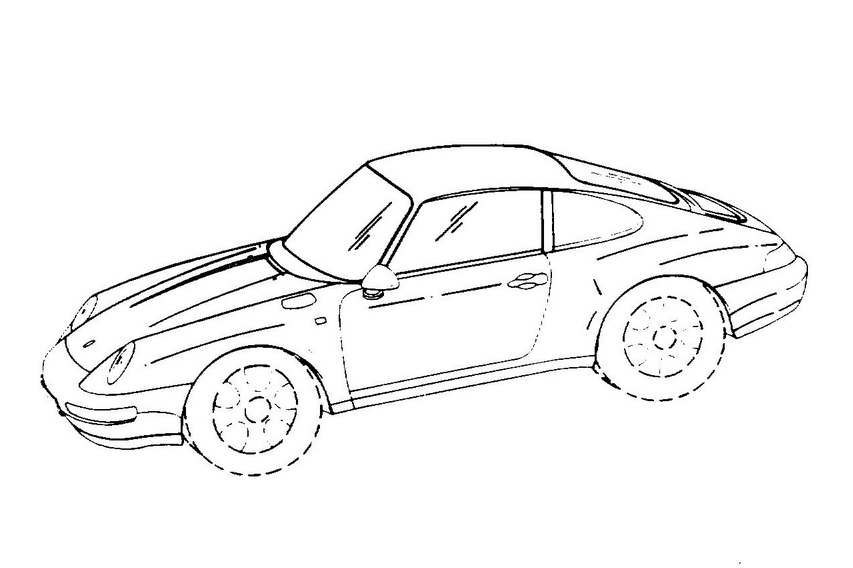
Porsch 911 Configuration
Porsche holds two configuration trademark registrations protecting the distinctive silhouette and body design of the Porsche 911, a shape made recognizable through decades of consistent use. The first registration, issued in 2004, covers the 993 generation. A second, issued in 2024, takes a broader approach, intending to protect the 911’s configuration across all future generations.
US Registration Numbers: 2,655,378; 7,603,348,
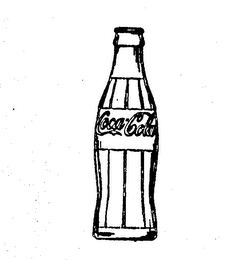
Coca-Cola Drinkware
Coca-Cola holds configuration trademark registrations for various drinkware designs that are recognizable even without labels or logos. Most notably is its distinctive contour bottle shape, originally introduced in 1916 and registered in 1960. The company has continued to protect the three-dimensional shape of its bottles and related packaging as source-identifying product configurations.
Original Coke Bottle US Registration Number: 696,147
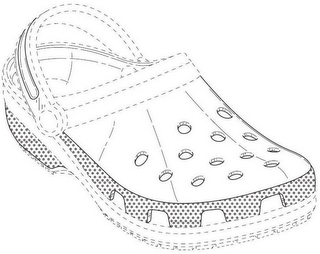
Crocs Shoe Design
Crocs holds configuration registrations covering specific design elements of its foam clogs, including the distinctive pattern of round ventilation holes on the upper, textured side panels with trapezoidal openings, and additional heel and strap detailing. These non-functional design features work together to create a recognizable product configuration associated with the Crocs brand, a distinctive design many consumers love and many love to hate.
US Registration Numbers: 5,273,875; 5,149,328
Configuration marks can be tricky to identify. The challenge is often distinguishing between design elements that identify source and those that serve a functional purpose. Trade dress protection is not available for features that are functional, meaning they affect the product’s performance, cost, or quality. Even partial functionality can limit or defeat a configuration claim, so the focus must be on elements that exist to signal brand, not utility.
If a customer could recognize your brand based on the overall design of your product alone, and that design solely exists to distinguish your product rather than serve a practical/functional purpose, you may have a configuration mark on your hands.
> Practical Tip:
If your product design provides a competitive advantage because of how it works, trademark protection may not be available. In those cases, patent protection may be worth exploring with a patent attorney.
6. Scent Marks
Scent marks are also treated as a type of trade dress. They protect distinctive, non-functional scents that identify a brand.
Notable examples include:
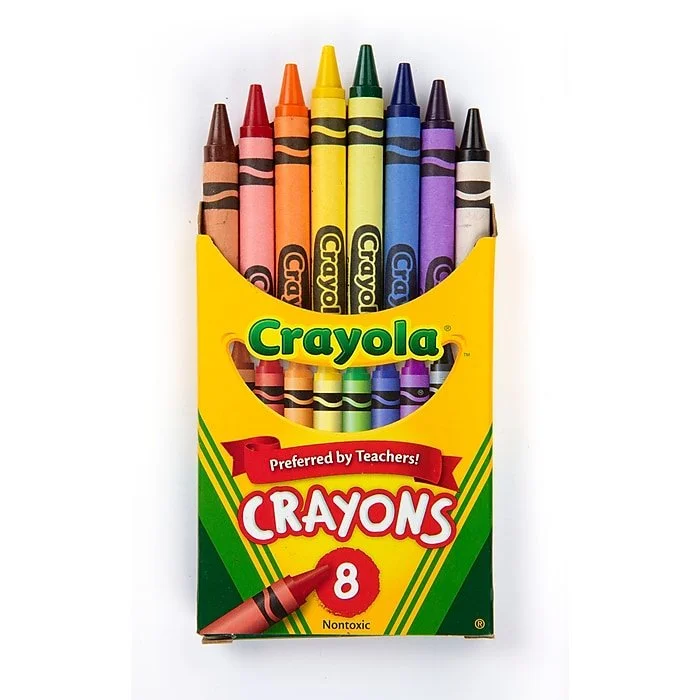
Crayola Crayons
The distinctive scent of its crayons, "a scent reminiscent of a slightly earthy soap with pungent, leather-like clay undertones."
US Registration Number: 7,431,203
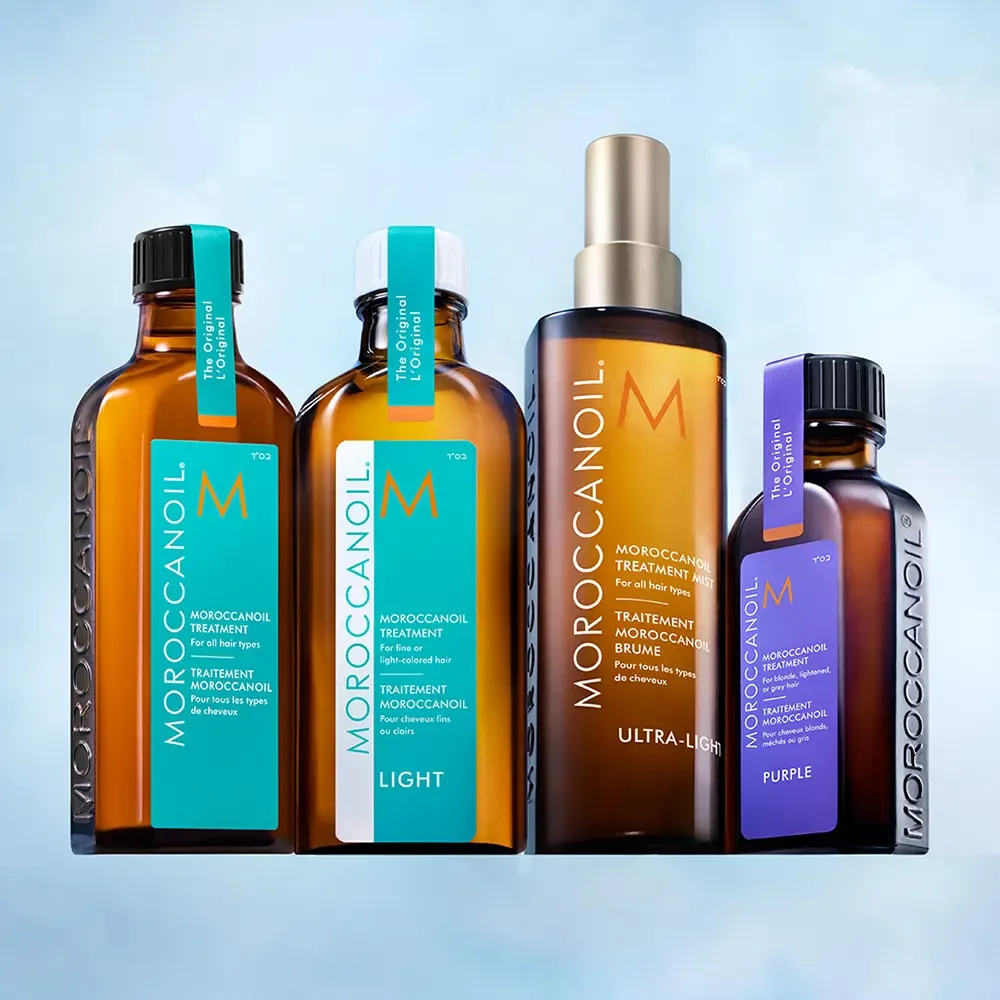
Moroccanoil
The signature fragrance used across its hair care products, "a high impact fragrance primarily consisting of musk, vanilla, rose, and lavender."
US Registration Number: 4,057,947
Scent marks are rare and closely scrutinized, but they demonstrate how sensory elements can function as trademarks. Because scents are never considered inherently distinctive, successful registration requires substantial evidence of acquired distinctiveness showing that consumers associate the scent with a single source. To qualify, the scent must also be non-functional and not essential to the product’s use or purpose.
7. Hologram Marks
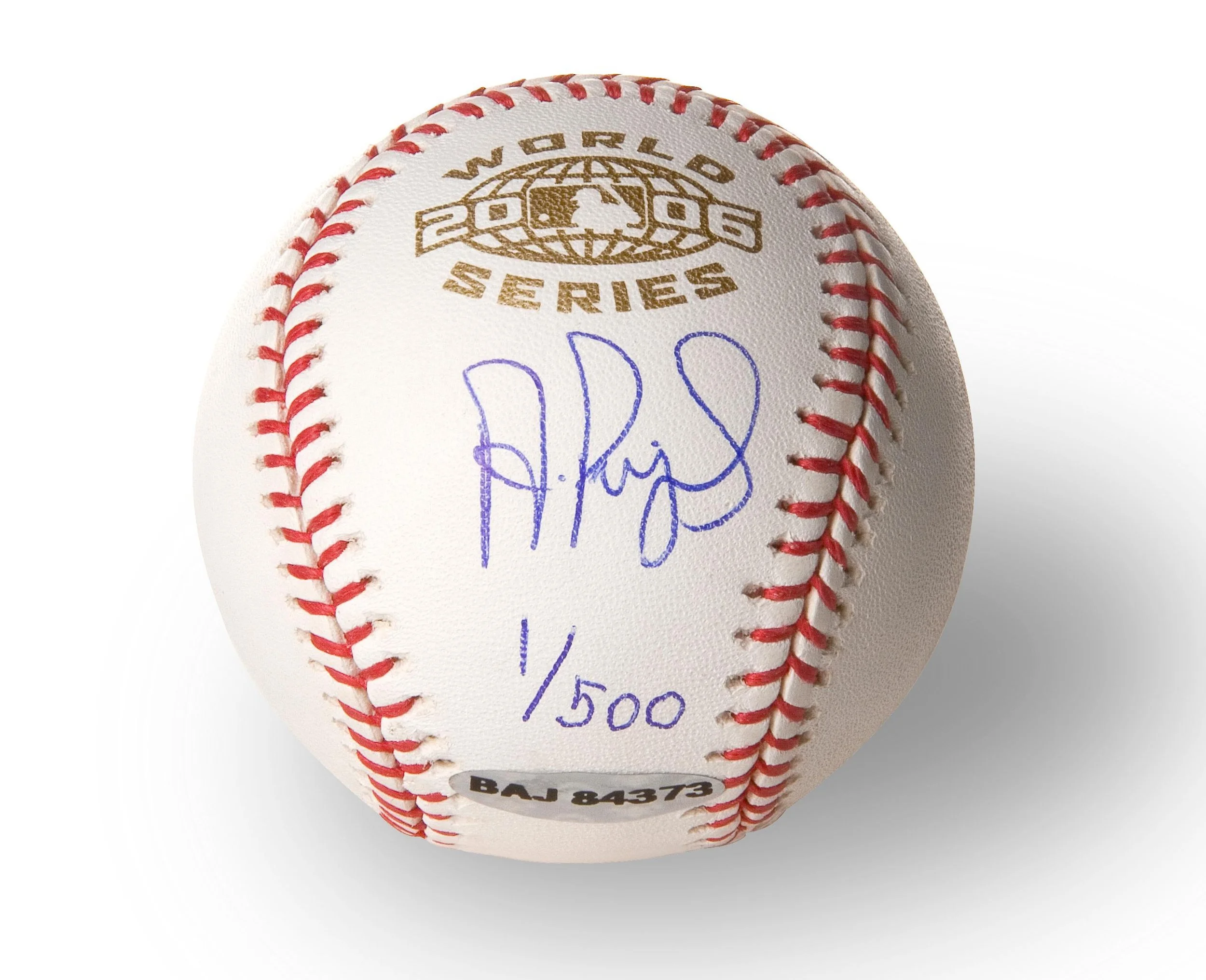
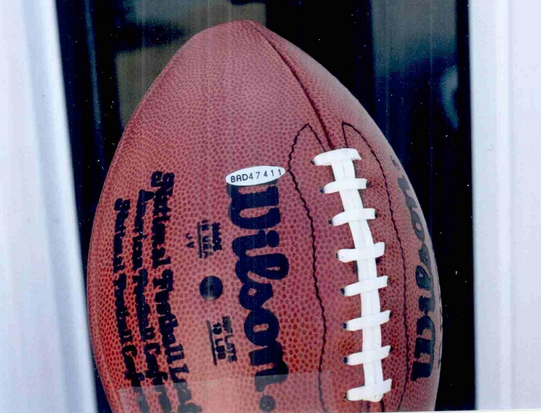
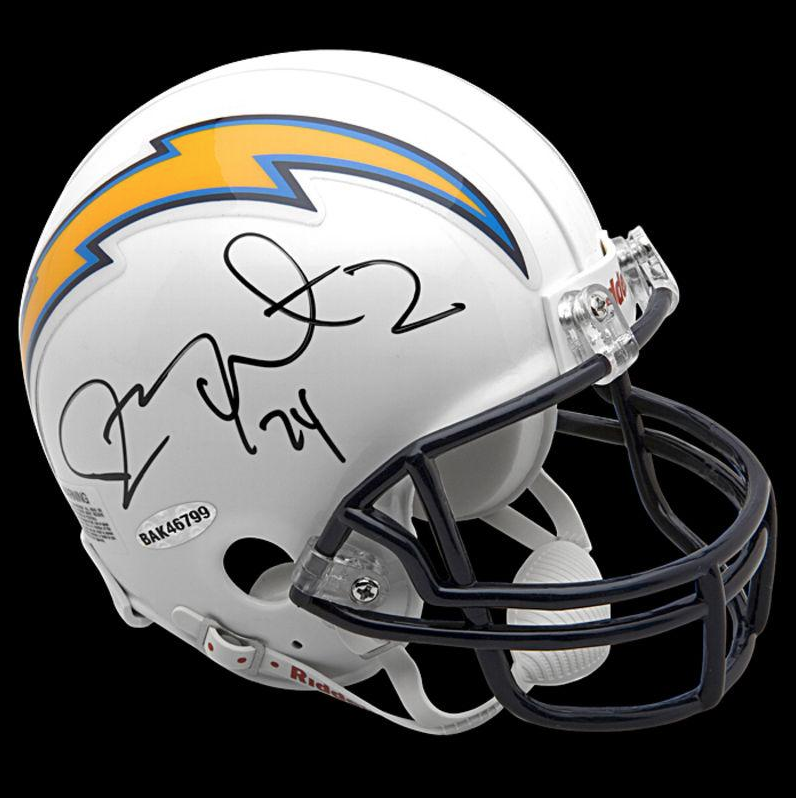
Hologram marks protect distinctive holographic images used consistently to identify source. These marks are commonly used to signal authenticity and combat counterfeiting.
Examples include:
Upper Deck
The oval hologram authentication seal used on collectible trading cards & memorabilia
US Registration Number: 2,619,227
American Express
The square holographic image that appears on its credit cards, used as a consistent security and brand-identifying feature.
US Registration Number: 3,045,251
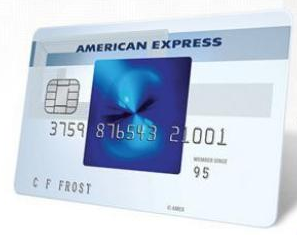
To function as trademarks, holograms must be used consistently and as a source identifier, not merely as variable security features.
Final Thoughts
If reading through these examples made you start mentally checking off elements of your own brand, you’re not alone. Many businesses are already using non-traditional trademarks without realizing it.
The brands that take the time to recognize and protect those assets early are often the ones best positioned to defend, expand, and leverage them over time.
Sometimes the most valuable intellectual property isn’t something you create next. It’s something you’ve been using all along.
TL;DR
Trademarks are not limited to names and logos. At their core, they are source identifiers — anything that helps consumers connect goods or services to a particular brand. Sounds, motion, packaging, product design, color, scent, and even holograms can all function as trademarks when used consistently and in a way that signals source. Trade dress protects the overall look and feel of a brand and has expanded over time to include certain non-functional elements of the product itself. The takeaway: you may already be using non-traditional trademarks without realizing it.
Share this article on:
DISCLAIMER: Information on this site is provided for informational purposes only and does not constitute legal advice. No attorney–client relationship is formed unless and until a written retainer agreement is executed. The views and opinions expressed by Randi Leath in this blog are her own. This blog is not affiliated with, endorsed by, or sponsored by Chartwell. See full disclaimer


First Use is written by Randi Leath, a trademark and intellectual property attorney who advises businesses, entrepreneurs, and creatives on on building, protecting, and using their brands.
Her practice focuses on trademarks, licensing, enforcement, and brand strategy, with an emphasis on providing practical, business-minded guidance tailored to each client’s goals.